
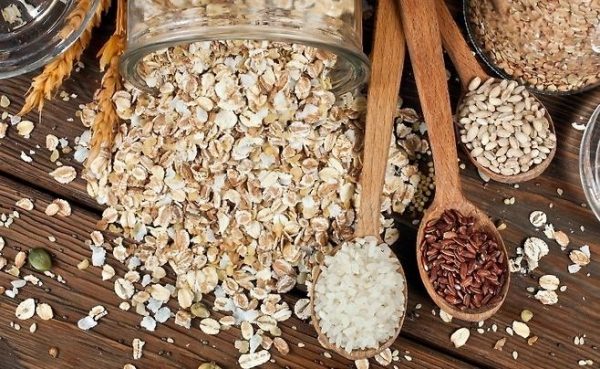
Resistant Starch-Rich Grains That Keep You Full Longer and Support Effective Weight Loss
Resistant starch is a type of carbohydrate that is not fully digested in the small intestine but instead travels to the large intestine where it is fermented, producing short-chain fatty acids beneficial for gut health. Thanks to their ability to prolong feelings of fullness, support blood sugar control, and limit fat accumulation, foods rich in resistant starch are increasingly chosen by many people in weight-loss diets.
Oats – an abundant source of resistant starch and dietary fiber
Oats are one of the foods rich in resistant starch while also providing plenty of beta-glucan—a soluble fiber that helps slow down digestion, delays gastric emptying, and keeps you feeling full longer.
When reaching the large intestine, the resistant starch in oats is fermented, creating short-chain fatty acids that can support the fat-burning process and improve digestive health.
To increase resistant starch content, it is recommended to soak oats overnight with unsweetened fresh milk or plant-based milk rather than cooking them on the stove. Consuming oats cold helps better preserve the starch structure.
Brown rice helps control blood sugar and reduce fat accumulation
By retaining its bran layer and germ, brown rice contains plenty of fiber along with a significant amount of resistant starch, helping nourish the gut microbiome.
Compared to white rice, brown rice has a lower glycemic index, which helps improve insulin sensitivity and limit fat accumulation, especially abdominal fat.
To increase the amount of resistant starch, let the cooked rice cool and then store it in the refrigerator for 8–12 hours or overnight. When consuming, reheat it only gently to preserve the retrograded starch structure.
Barley promotes long-lasting satiety
Barley is a grain rich in fiber and resistant starch, helping prolong feelings of fullness, supporting post-meal blood sugar control, and contributing to reducing daily calorie intake.
This grain can be cooked with rice, made into soups, stews, or mixed into salads to boost nutritional value and support weight management.
Notes when adding resistant starch-rich grains
To maximize the benefits of resistant starch, prioritize consuming foods after they have cooled down or reheat them only at moderate temperatures. Overcooking can reduce the amount of resistant starch formed.
In addition, gradually increase the intake of resistant starch so that the digestive system has time to adapt, preventing bloating or flatulence.
Resistant starch only plays a supportive role in weight loss. To achieve long-term effectiveness, it is necessary to combine it with a balanced diet, maintain an appropriate calorie deficit, drink enough water, and exercise regularly.