
Medicinal Dishes to Prevent Internal Heat and Constipation During Tet
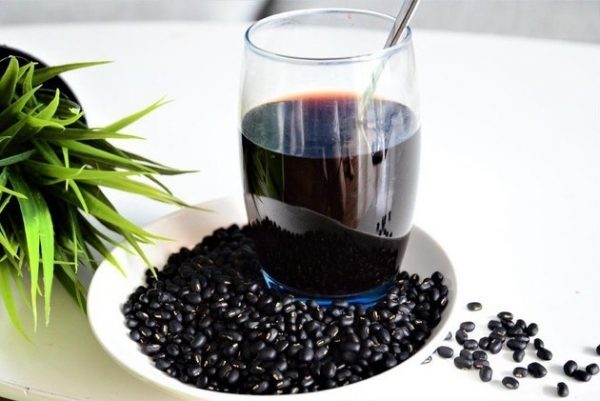
Roasted black bean tea clears heat and detoxifies, helping to prevent internal heat and constipation during the Tet holidays.
1. Why Are We Prone to Internal Heat and Constipation During Tet?
Internal heat and constipation are very common during Tet due to a combination of dietary and lifestyle factors.
- Excessive and imbalanced eating: Tet holiday meals typically feature a lot of meat, fried dishes, high-protein and high-fat foods, and confectionery, while lacking green vegetables and fruits. An insufficient fiber intake fails to soften stools and stimulate bowel movements, overloading the digestive system, generating internal heat, and easily leading to constipation.
- High consumption of alcohol and soft drinks: Alcohol dehydrates the body, making stools dry and difficult to pass; soft drinks and sugary beverages increase internal heat and digestive disorders.
- Insufficient water intake: Caught up in Tet festivities and hosting guests, many forget to drink enough water; lack of hydration causes the intestines to reabsorb water from stools, resulting in hard stools that are difficult to eliminate.
- Irregular daily routines: Staying up late, getting too little sleep, and disrupted daily schedules disturb the functions of the Spleen, Stomach, and large intestine. The habit of holding back bowel movements when out visiting or wishing relatives a Happy New Year also reduces the defecation reflex.
- Sedentary lifestyle: Tet holidays mostly revolve around eating, sitting, and hosting visitors, drastically reducing physical activity. Slower bowel motility causes stools to linger longer in the intestines.
Tet is a time when irregular eating habits easily lead to food stagnation in the Spleen and Stomach, generating damp-heat. Heat accumulating in the intestines and stomach depletes body fluids, drying out the intestines and causing constipation as well as a feeling of internal heat. Overeating, dehydration, lack of sleep, and inactivity form the "quartet" that triggers internal heat and constipation during Tet.
2. Medicinal Dishes and Remedies to Prevent Internal Heat and Constipation
2.1. Roasted Black Bean Tea – Reduces Internal Heat and Prevents Constipation
Black beans nourish Kidney Water, promote the elimination of turbid dampness, and clear fire toxicity in the foot Shaoyin meridian; they detoxify the body, boost beneficial gut bacteria to facilitate digestion, cool the body, clear internal heat, act as a mild diuretic, and contain potent antioxidants.
In terms of medicinal properties and flavors, black bean tea has a mildly sweet taste and a cooling nature. Its sweetness tonifies, while its mild taste promotes the drainage of turbid dampness; its cooling nature clears heat, dispels fire toxicity, and soothes internal heat.
Black beans generally come in two varieties: white-fleshed and green-fleshed, with green-fleshed black beans being the variety most commonly used in medicine.
Applications:
- Burning urination, painful urination, or blood in urine (nourishes Kidney Yin, eliminates fire toxicity): 100 g black beans; in severe cases, add 15 g cogon grass rhizome (cỏ tranh), 30 g eclipta (nhọ nồi), and 20 g corn silk, simmered in water as a drink.
- Detoxification (toxic heat causing dermatitis, sores, or food poisoning): 30 g black beans and 6 g raw licorice root, decocted in water.
Black beans are suitable for people with a Yang-excess or Yin-deficient constitution exhibiting symptoms such as: internal heat, lean body, warm skin, frequent sweating, flushed cheeks, thirst, red tongue, dry throat, burning urination, etc.
Note: People with a Yin-excess, Yang-deficient constitution, or Spleen-Stomach deficiency and coldness should limit their consumption or use them properly processed and combined with suitable auxiliary medicinal ingredients.
2.2. Kudzu Root (Sắn Dây) Drink – Cools the Body and Reduces Internal Heat
Kudzu root drink cools the body and reduces internal heat.According to Traditional Chinese Medicine, kudzu starch (bột sắn dây) has a cooling nature and sweet flavor, which helps generate body fluids, quench thirst, and dispel heat, offering the following benefits:
– Cools the body and reduces internal heat.
– Relieves alcohol intoxication, helps soothe the body, and reduces fatigue and headaches after drinking.
– Supports digestion, easing bloating, indigestion, and burning stomach discomfort (when consumed properly).
– Alleviates mild constipation thanks to its natural starch and dietary fiber content.
How to use: Dissolve 1–2 teaspoons of raw kudzu starch in 200–250 ml of cooled boiled water, add sugar to taste, optionally add a few drops of fresh lime juice, and drink immediately after mixing.
Note: People with poor digestion, a cold stomach, pregnant women in their first trimester, and young children should avoid using raw kudzu starch.
2.3. Chinese Yam and Jujube Porridge – Strengthens the Spleen and Prevents Constipation
Chinese yam strengthens the Spleen, improves digestion, and supports nutrient absorption.Ingredients (serves 2–3): 100 g regular white rice; 30 g dried Chinese yam (hoài sơn) or 50 g fresh Chinese yam; 10 red jujubes; 30 g lotus seeds (optional); rock sugar (for a sweet version) or a pinch of salt (for a savory version).
Instructions:
- Step 1: Soak dried Chinese yam for about 30 minutes until soft; if using fresh Chinese yam, peel, rinse clean, and dice.
- Step 2: Wash the rice clean; you may lightly roast it to enhance the porridge's aroma.
- Step 3: Put the rice and 1 liter of water into a pot, bring to a boil, then reduce heat to low and simmer for 20 minutes.
– Step 4: Add the Chinese yam, jujubes, and lotus seeds, then simmer for another 20–30 minutes until the porridge is soft and tender.
- Step 5: Add rock sugar if you prefer sweet, or season with a little salt for a light, savory taste.
Benefits: Tonifies the Spleen and nourishes the Stomach; Chinese yam strengthens the Spleen, improves digestion, and supports nutrient absorption. Red jujubes tonify the middle burner and replenish Qi, helping the stomach function better. Recommended 1–2 times per week.
Note: People experiencing abdominal fullness, excessive phlegm, fever, or constipation should not consume this frequently; diabetic patients should reduce the amount of jujubes or consult a physician.
3. Preventing Internal Heat and Constipation During Tet
- Adjust your diet reasonably: Eat plenty of green vegetables and fruits every day (Malabar spinach, sweet potato leaves, mustard greens; oranges, grapefruits, dragon fruit, papaya, etc.) to supplement fiber and promote bowel regularity; reduce fried, spicy, hot, and high-protein foods such as fatty meat, Chinese sausages, sweets, and pastries – foods that easily generate internal heat and cause constipation; cut down on glutinous rice dishes, dairy, and butter; moderate ultra-processed foods; limit alcohol and carbonated soft drinks, as they dehydrate the body and increase internal heat and dryness in the intestines; prioritize boiled, steamed dishes, soups, and porridge, which are easy to digest.
- Drink enough water: Drink 1.5–2 liters of water per day, divided evenly throughout the day; you can also drink warm water in the morning, pennywort tea, artichoke tea, or lightly roasted black bean water to clear heat.
- Maintain a regular routine: Maintain a balanced daily rhythm by eating and sleeping on schedule; no matter how delicious the food is, practice moderation and avoid overeating; avoid staying up late for prolonged periods, try to get enough sleep despite busy Tet schedules; use the bathroom at regular times and do not hold it in when feeling the urge, helping establish a regular bowel movement reflex.
- Increase gentle physical activity: Dedicate time to walking, light exercises, and abdominal massage every day to stimulate bowel motility; avoid sitting for long periods and being sedentary after large meals.
Constipation and internal heat during Tet are often caused by stagnation and internal heat in the Spleen and Stomach, requiring a light, clean diet and the regulation of vital energy and blood. The elderly, young children, and people with underlying digestive conditions should pay special attention to their diet and water intake. If constipation persists, accompanied by severe abdominal pain and bloating, do not self-medicate with laxatives; instead, seek examination and consultation from a doctor.