
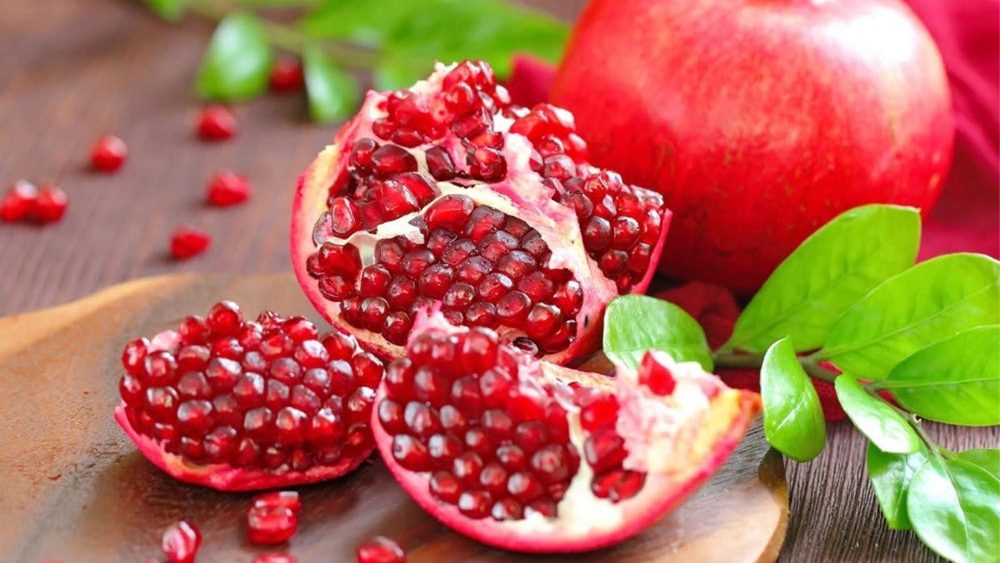
The Best Ways to Eat Pomegranates for Anti-Aging
How do pomegranates support anti-aging?
The outstanding anti-aging benefits of pomegranates stem from their high content of antioxidants, especially polyphenols such as punicalagins and anthocyanins. Studies show that the antioxidant activity of pomegranate juice can be substantially higher than that of many popular beverages like green tea or red wine.
These compounds help neutralize free radicals—molecules formed by exposure to sunlight, environmental pollution, and stress. Free radicals cause cellular damage and accelerate the aging process. By keeping them in check, cells function more stably, contributing to healthy, youthful skin.
Supporting Collagen Maintenance and Skin Elasticity
Over time, the body's natural collagen production declines, leading to a loss of skin elasticity and the emergence of wrinkles. Certain active compounds in pomegranates can stimulate the activity of fibroblasts—cells involved in producing collagen and elastin. Additionally, ellagic acid in pomegranates has been shown to inhibit enzymes that break down collagen. As a result, the skin structure is better preserved, helping maintain firmness and diminish signs of aging.
Positive Effects on Cellular Energy
Another notable compound is urolithin A, which is produced when pomegranate components are metabolized by the gut microbiome. Recent studies reveal that urolithin A can help improve mitochondrial function—the "powerhouses" of our cells. This mechanism increases energy production efficiency, thereby promoting muscle health and potentially slowing biological aging.
Reducing Inflammation and Enhancing Circulation
Pomegranates also boast potent anti-inflammatory properties. Low-grade chronic inflammation is recognized as a key driver of aging and numerous chronic conditions. Compounds in pomegranates can help suppress inflammatory responses while supporting blood vessel function and healthy circulation. When blood flows efficiently, skin cells receive ample oxygen and vital nutrients, improving complexion and overall health.
Protecting Skin Against UV Damage
Evidence suggests that including pomegranates in your diet can enhance the skin's resilience against ultraviolet (UV) rays. However, it is important to remember that pomegranates are not a substitute for sunscreen. Pairing an antioxidant-rich diet with proper sun protection measures can lower the risk of sun damage—the primary culprit behind dark spots and premature aging.
How to Consume Pomegranates for Maximum Nutrient Absorption
To reap the greatest benefits, the way you consume pomegranates plays a decisive role:
- Eat whole seeds directly: Many people tend to juice the fruit or spit out the seeds, but this unintentionally discards a vast amount of valuable nutrients.
Pomegranate seeds are rich in dietary fiber and beneficial fatty acids. Chewing thoroughly and swallowing the seeds allows your body to fully absorb water-insoluble antioxidant compounds. This is the simplest and most effective way to harness the fruit's full nutritional value.
- Drink pure pomegranate juice: If you prefer not to eat the seeds, pure pomegranate juice is a good alternative. However, avoid adding refined sugar, as sugar triggers inflammation and accelerates skin aging. For optimal benefits, drink fresh juice within 15 minutes of pressing to prevent vitamins from oxidizing upon exposure to air.
- Combine with salads and yogurt:Pairing pomegranate arils with healthy fats such as cashews, walnuts, or plain unsweetened yogurt enhances the absorption of fat-soluble vitamins. Tossing pomegranate seeds into your morning salad not only elevates the flavor but also provides a clean source of sustained energy for the day ahead.
Eat whole pomegranate seeds to obtain the maximum nutrients.
Key Considerations When Consuming Pomegranates
Although pomegranates are wholesome and safe, observing a few practical guidelines ensures both efficacy and safety:
- Best time to eat:It is recommended to enjoy pomegranates in the morning or between main meals. This is when the digestive system works most efficiently, swiftly delivering nutrients to cells. Avoid eating pomegranates on an empty stomach, as their organic acids may cause gastric irritation.
- Portion size: A moderate daily serving is about one medium pomegranate or a 200ml glass of juice. Overconsumption can lead to excess calorie intake or cause blood sugar spikes in sensitive individuals.
- Selecting tree-ripened fruit: Ripe pomegranates that feel heavy for their size, have slightly weathered skin, and display an angular, flattened shape typically contain more juice and higher nutritional content than overly smooth, underripe fruits.
- Who should exercise caution: Individuals taking blood pressure medications or blood thinners should consult a healthcare professional before consuming pomegranates regularly, as compounds in the fruit may interact with their medications.