
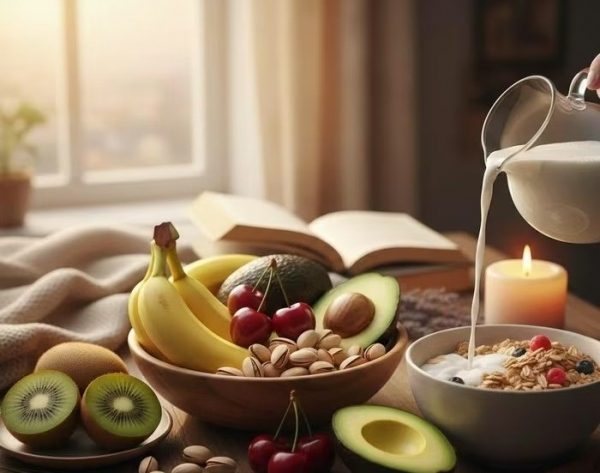
Foods to Eat Instead of Taking Melatonin for Better Sleep
Regularly adding foods rich in magnesium and melatonin to your diet can benefit your sleep.How Does Food Affect Sleep?
No single food can guarantee a better night's rest. Your overall diet is the most crucial factor for both sleep and general health, rather than consuming specific individual foods.
However, regularly incorporating foods rich in magnesium and melatonin into your diet can support healthy sleep; these foods may contain:
Melatonin: Although our bodies naturally produce this sleep-related hormone, diet and environmental factors can influence its function.
Serotonin: The chemical serotonin is produced in the brain and digestive system. It plays a vital role in sleep and is essential for melatonin synthesis.
Magnesium: This mineral is a building block for melatonin and can help lower levels of the stress hormone cortisol, relax muscles, and calm the nervous system.
Tryptophan: This amino acid converts into key molecules and chemicals that promote sleep alongside many other functions.
B Vitamins: B vitamins help produce melatonin. It is better to obtain them from food rather than supplements, as taking them before bed may disrupt your sleep.
Omega-3 and Vitamin D: Foods containing this combination, such as fatty fish like salmon, or combinations of nutrient-dense foods, can help regulate serotonin and enhance sleep quality.
1. Pistachios Promote Good Sleep Thanks to Melatonin
Pistachios contain melatonin, which helps foster sound sleep. They are also rich in vitamin B6 (one ounce provides about 25% of the daily value), which is necessary for the production of melatonin and serotonin (a body-produced chemical that plays an active role in sleep).
2. Spinach
Spinach is an abundant source of magnesium, which promotes muscle relaxation. A dietary deficiency in magnesium can make falling asleep difficult. Spinach also contains potassium, which is associated with sleep quality, though further research is needed to determine conclusively whether supplemental potassium improves sleep.
3. Edamame (Soybeans)
Edamame is a great source of vitamin B6. It also contains isoflavones, compounds that aid in serotonin production. In one study, participants were 2.5 times more likely to get quality sleep after consuming soy.
Other soy sources include tofu, miso, and tempeh. Edamame also provides tryptophan, an amino acid that supports sleep. Because your body cannot produce tryptophan on its own, you must obtain it through food.
4. Chamomile Tea
Chamomile is an herb renowned for its ability to improve sleep quality. Chamomile tea contains an antioxidant called apigenin, which promotes sleepiness. Chamomile tea is typically caffeine-free, making it a soothing, warm beverage to unwind before bedtime.
5. Cheese
Cheese, particularly hard varieties, contains tryptophan, along with magnesium, zinc, and vitamin B6, which help the body convert tryptophan into melatonin and serotonin.
It makes for a delicious evening snack, especially when paired with complex carbohydrates such as whole-grain crackers.
6. Tart Cherry Juice
Tart cherry juice (also known as sour cherry juice) is a good source of melatonin. Several studies indicate that tart cherry juice can help alleviate insomnia symptoms.
Tart cherries are also loaded with antioxidants and may have anti-inflammatory effects. It is essential to read labels carefully, as many cherry juices are sweetened. Look for varieties with no (or minimal) added sugar.
7. Milk
Milk contains tryptophan and calcium, which helps the body absorb tryptophan more efficiently. Tryptophan supports the production of melatonin.
A warm glass of milk before bed can deliver sleep-promoting nutrients while offering a comforting, relaxing sensation. Adding warm milk to a cup of chamomile tea gives you the best of both worlds.
8. Certain Animal Proteins
Turkey, chicken, fish, and eggs are excellent sources of tryptophan. Eggs contain melatonin. Fish, chicken, turkey, and pork contain vitamin B6.
Consistently consuming foods rich in tryptophan can help improve your sleep over time.
Keep in mind, however, that eating protein-heavy foods like red meat or poultry close to bedtime can disrupt sleep because they take longer to break down, and digestion naturally slows during sleep.
9. Whole Grains
Complex carbohydrates like whole grains can trigger serotonin release and do not take long to digest, making them a great option if you need a pre-bedtime snack.
The fiber in whole grains, such as brown rice, quinoa, barley, and oats, helps slow blood sugar spikes that can otherwise suppress melatonin. Whole grains also provide vitamin B6, and quinoa is a notable source of tryptophan.
Brown rice helps boost serotonin and provides tryptophan, fiber, several B vitamins, iron, magnesium, and potassium.
10. Certain Nuts
Among tree nuts, pistachios have the highest melatonin content, but other nuts, such as walnuts and almonds, are also solid sources of sleep-supportive hormones. They are likewise rich in heart-healthy fats.
Peanuts and pumpkin seeds are good sources of tryptophan. Cashews and sesame seeds also contain nutrients that support sleep.
11. Kiwi, bananas, and other fruits
Fruits containing nutrients such as potassium, magnesium, and tryptophan can help promote sleep, and may also improve sleep quality thanks to compounds like serotonin and melatonin.
Sleep-inducing fruits include bananas, pineapples, and tart cherries. Combining fruit with protein, such as cheese, can help prevent blood sugar spikes.
12. Avocado
Avocados contain potassium and magnesium. Some studies have linked magnesium to reduced depression and anxiety, both of which can affect sleep. Avocado is a low-sugar fruit that contains healthy fats.
13. Sweet potatoes
Sweet potatoes are also a good source of potassium and magnesium. They also contain fiber.
Sleep-supporting foods do not necessarily need to be consumed right before bedtime to be effective. Instead, maintaining a diverse and healthy diet throughout the day will help the body regulate its circadian rhythm more effectively.
In particular, a dinner balanced with lean protein (such as turkey, fish), complex carbohydrates (whole grains), and unsaturated fats will help stabilize blood sugar, thereby creating a solid foundation for a deep and restful sleep.