
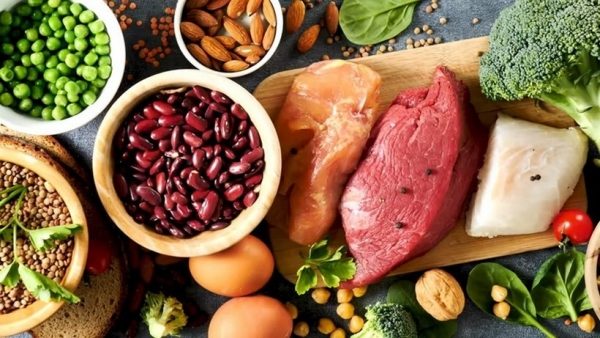
The best iron-rich foods to add to your diet
Iron-rich foods. (Photo: iStock)Iron is an essential nutrient that the body needs every day. This mineral is involved in the production of red blood cells and hemoglobin, which helps transport oxygen throughout the body.
However, not everyone gets enough iron from their diet. In fact, iron deficiency is one of the most widespread nutritional deficiencies in the world. The good news is that many foods, from both animal and plant sources, can help replenish iron effectively. If you're wondering what to eat to ensure your body gets enough iron, explore the options below.
Which foods are rich in iron?
Both animal- and plant-based foods can provide iron. The main difference lies in the type of iron they contain.
Heme iron: This is the form of iron that the body absorbs more easily. Heme iron is found in meat, fish, and poultry, but not in plant-based foods. About 10% of the iron absorbed by the body comes from this form.
Non-heme iron: This type of iron is found in vegetables, grains, and supplements. Most dietary iron comes from this source, but its absorption rate in the body is lower compared to heme iron.
That does not mean you have to eat a lot of meat to get enough iron. In fact, there are many foods from both animal and plant sources that can help meet your daily iron needs.
Iron-rich foods from animal sources
If you consume animal-based foods, here are the top iron sources to prioritize.
1. Fish and seafood
Many types of seafood contain significant amounts of iron. Popular choices include shrimp, oysters, sardines, tuna, salmon, and more.
2. Red meat
Most meats contain iron, but red meat generally has a higher content than other types. Rich sources include beef, veal, lamb, and pork.
3. Poultry
Chicken and turkey also provide iron, with dark meat containing more iron than white meat. If you want to boost your iron intake, you can opt for thighs or drumsticks instead of breasts. In addition, eggs and duck meat are also great options.
4. Organ meats
Organ meats are among the richest sources of iron. Liver, kidneys, heart, or brain all contain high amounts of iron, but they should be consumed in moderation.
Plant-based foods and vegetables rich in iron
Non-heme iron from plants is harder to absorb, but combining animal- and plant-based foods in the same meal can help increase your body's iron absorption. Here are iron-rich plant foods you can add to your meals.
5. Legumes and beans
Beans provide both protein and plenty of iron. However, they also contain phytates—compounds that can reduce iron absorption. Soaking or cooking them thoroughly before eating will help improve absorption.
Popular varieties include lentils, kidney beans, chickpeas, green peas, and more.
6. Soy-based foods
Soybeans belong to the legume family but are often grouped separately due to their diverse processed forms. The way they are processed can affect iron absorption. For instance, soy milk is often fortified with calcium, which can inhibit iron absorption.
Iron-rich options include tofu, edamame (Japanese soybeans), and soy milk.
7. Nuts and seeds
Nuts and seeds are also good sources of iron. Common items in this group include peanuts and peanut butter, almonds, cashews, sesame seeds, chia seeds, and more.
8. Dark leafy greens
Dark leafy greens are rich in iron, but they also contain oxalates—compounds that can hinder absorption. Therefore, it is best to eat them alongside vitamin C-rich foods to enhance efficiency.
Recommended greens include spinach, kale, dandelion greens, mustard greens, Swiss chard, and more.
9. Vegetables
Many other vegetables also contribute to iron intake. Tomatoes and onions also contain vitamin C, which helps the body absorb iron better.
You can choose broccoli, tomatoes, green beans, onions, asparagus, and more.
10. Fruits
Some fruits are rich in iron and vitamin C. Dried fruits often have a higher iron content than fresh fruits.
Good options include strawberries, raisins, figs, dates, dried apricots, dried peaches, and more.
11. Whole grains
Many grains and breads naturally contain non-heme iron. Some products are also fortified with iron, so remember to check the labels when purchasing.
Great choices include quinoa, whole wheat bread, rye bread, and whole grain cereals.
How to add more iron to your diet?
If you have low iron levels or want to enhance your iron absorption, the following habits may help:
- Adjust when you drink tea and coffee. Avoid having them with iron-rich meals, as they can reduce absorption.
- Space out your supplements. Calcium can interfere with iron absorption, so it is best to take them a few hours apart.
- Boost your vitamin C intake. Pairing iron-rich foods with vitamin C-rich fruits and vegetables helps your body absorb iron more effectively.
- Use iron cookware. Cast iron pots or pans can increase the iron content in food, especially when cooking animal-based dishes.
Getting enough iron every day not only helps prevent anemia but also helps the body maintain energy, boost immunity, and function more effectively. The key is to build a diverse, balanced diet rather than focusing on just a few foods./.