
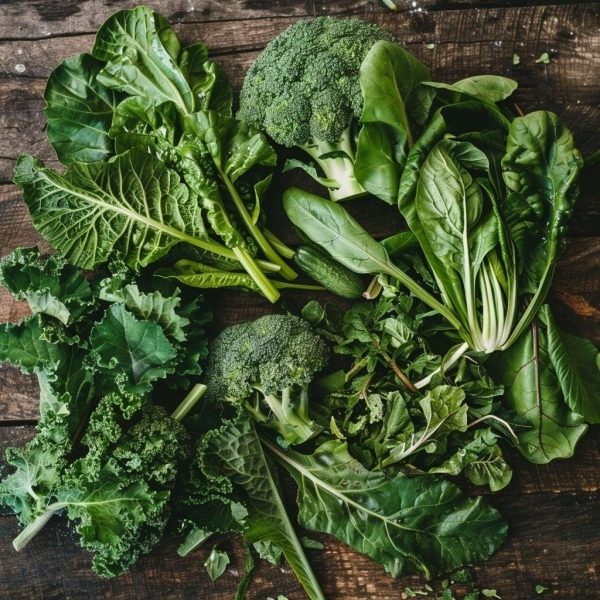
Calcium-rich green vegetables to strengthen bones and enhance nutrient absorption
Calcium is an essential mineral for the development and maintenance of healthy bones and teeth. Alongside dairy products, many green vegetables are also substantial sources of calcium. Notably, these greens also contain vitamin K, magnesium, and vitamin C—nutrients that help the body absorb and utilize calcium more effectively.
Below are 10 calcium-rich vegetables that should be added regularly to your daily meals.
Mustard greens
Mustard greens are among the vegetables with high calcium content, providing about 268 mg of calcium per cooked cup. In addition, this vegetable is rich in vitamin K and dietary fiber, supporting bone health and the digestive system.
To retain maximum nutrients, it is best to stir-fry them quickly with a small amount of vegetable oil or cook them until just tender rather than overcooking.
Spinach
One cup of cooked spinach provides about 245 mg of calcium along with abundant vitamins A, E, iron, and magnesium. However, spinach also contains oxalates and phytates—compounds that can reduce calcium absorption.
Cooking spinach thoroughly before eating significantly reduces oxalate levels, thereby boosting mineral absorption efficiency.
Turnip greens
The leafy tops of radishes and turnips are often underutilized, yet they are packed with nutrients. A cup of cooked turnip greens contains around 197 mg of calcium, while also delivering vitamin C, vitamin K, and folate.
Turnip greens can be boiled, cooked in soups, or sautéed with garlic, making them both delicious and wholesome.
Bok choy
Bok choy is a low-calorie vegetable that is abundant in calcium, vitamin A, and vitamin C. Each cup of cooked bok choy yields approximately 185 mg of calcium.
This vegetable is well-suited for quick stir-fries or soups to preserve its crisp texture and nutritional value.
Kale
Kale provides not only a notable amount of calcium but also an abundance of vitamin K—a vital nutrient for bone formation and maintenance.
A cup of fresh kale supplies about 53 mg of calcium along with numerous beneficial antioxidants for the body.
Jute leaves (rau đay)
Every 100 g of jute leaves contains around 182 mg of calcium, as well as plenty of iron and fiber. The natural mucilage in jute leaves also aids digestion and promotes healthy bowel function.
Jute leaf soup cooked with field crab is a familiar Vietnamese dish that is both refreshing and a natural booster of calcium.
Katuk (rau ngót)
Katuk contains approximately 169 mg of calcium per 100 g, alongside essential vitamins and minerals needed by the body.
It is a popular ingredient in home-cooked soups paired with minced pork or shrimp, ideal for everyday family meals.
Slender amaranth (rau dền cơm)
Slender amaranth is a rustic green that boasts an impressive calcium content—about 341 mg per 100 g.
The greens can be boiled or prepared in soups, serving to both cool the body and replenish essential minerals.
Broccoli
Broccoli contains roughly 62 mg of calcium per cooked cup, while also being rich in vitamin C and antioxidants.
Steaming or quick stir-frying is the ideal cooking method to preserve more vitamins and minerals.
Okra
Okra supplies calcium, magnesium, and vitamin K—critical nutrients for bone health. Furthermore, the natural mucilage in okra is a source of soluble fiber that supports digestion and helps regulate blood sugar levels.
Okra can be boiled, steamed, or added to soups to preserve its nutritional integrity.
Tips when supplementing calcium-rich greens
To make the most of calcium from leafy greens, choose fresh produce with traceable origins and wash them thoroughly before cooking. Vegetables should be cooked just enough to reduce anti-nutritional compounds that hinder calcium absorption while retaining their vitamins and minerals.
In addition, the body requires sufficient vitamin D to absorb calcium efficiently. Therefore, alongside a balanced diet, maintain outdoor physical activities and get an appropriate amount of morning sunlight to support natural vitamin D synthesis.
Diversifying green vegetables in everyday meals not only boosts calcium intake but also provides many essential nutrients, helping maintain strong bones and enhance overall health.