
Discovering Morel Mushrooms in Nature and Cuisine
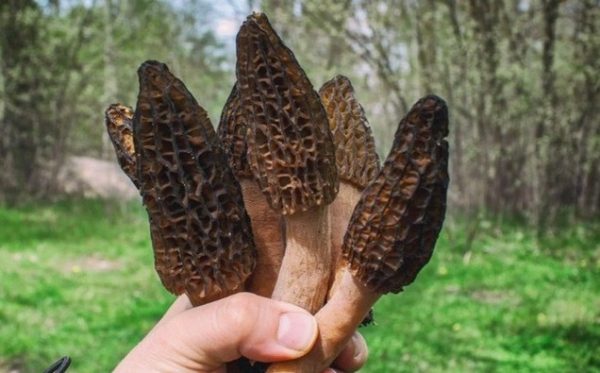
This mushroom is not only rare and difficult to harvest, but it also possesses an exceptional flavor. Illustrative photo.
Appearance and Flavor of Morel Mushrooms
There is a peculiarly shaped fungus that looks quite unappealing at first glance, yet is considered one of the most prized "gems" in global gastronomy. Morel mushrooms, also known scientifically as Morchella (and commonly referred to in Vietnam as goat-belly mushroom), are among the rarest wild-growing mushrooms and a cherished delicacy in culinary traditions around the world.
Morel mushrooms feature a distinctive shape, with caps covered in raised ridges and pits forming a honeycomb-like structure. They are dark in color, ranging from tan to dark brown or black, and often emit a characteristic earthy aroma.
Beyond their striking appearance, their hollow interior allows morels to absorb seasonings wonderfully during cooking, delivering a rich, refined culinary experience.
Growing Conditions and Harvesting
Among the myriad treasures of the forest, morels typically grow wild along forest edges, riverbanks, or on decaying logs and moist, nutrient-rich humus. What makes them unique is that they do not grow in fixed spots, shifting locations from season to season and turning the forage into a true challenge.
One reason for their high price is that foragers must set out at the crack of dawn, trekking through dense forests all day just to bring home a handful of prized specimens. Due to this scarcity, dried morels fetch between 11 and 13 million VND per kilogram on the market, making them one of the most expensive wild gathered foods available.
Nutritional Value
It is no coincidence that morel mushrooms are dubbed "meat for vegetarians"—they are highly nutritious, easy to digest, and well-suited for diverse dietary regimens. Although growing wild, dried morels contain up to 1,722 mg of potassium per 100 g, roughly eight times higher than bananas (222 mg/100 g). Potassium is an essential mineral, particularly beneficial in the summer when the body loses fluids through sweat, helping restore electrolytes and combat fatigue.
In addition, morels are rich in protein, dietary fiber, B vitamins, and essential minerals such as iron, zinc, and magnesium.
With a premium price tag matched by their exquisite taste and nutritional profile, morel mushrooms are a rare gift of nature, reserved for those who truly appreciate culinary refinement.
Remarkably, mature morel fruiting bodies can deteriorate in as little as 10 hours if not harvested promptly. This mushroom is highly sought after across European, Asian, and North American markets.
Morels usually appear in limited quantities among grassy patches along woodland borders or riverbanks, making them difficult to spot in the wild. In historical times, they were diligently sought after to be offered as royal delicacies to kings and emperors.
Preparation and Sourcing
Morel mushrooms can be transformed into a wide array of delicious and wholesome dishes.
Popular ways to prepare them include stir-fried morels, morel soup, grilled morels, and braised or stewed morels.
Although morels are packed with nutrients, wild fungi can be confused with toxic lookalikes or carry contaminants. Therefore, it is advisable to use cultivated morels or purchase them from verified, reputable sources. Due to their rarity and high nutritional profile, morels come at a premium price. To ensure safety and preserve their distinct flavor, they must always be properly cooked before consumption.