
Uses and Benefits of Prickly Pear
This plant grows wild in many parts of our country.
Habitat and Fruit Characteristics
Hearing the name prickly pear cactus fruit may sound familiar to many, but not everyone has tasted it. Prickly pear is also known as bunny ears cactus because its pads resemble rabbit ears.
The fruit is common in regions around Ninh Thuan and Binh Thuan, Vietnam, growing wild on hillsides, sandy stretches, along fences, and by roadsides…
Though a wild fruit, prickly pear has refreshing, tender flesh with a mild tang reminiscent of a milder kiwi, and a gentle sweetness somewhat like dragon fruit. However, the outer skin has fine spines, requiring great care when eating to avoid injury.
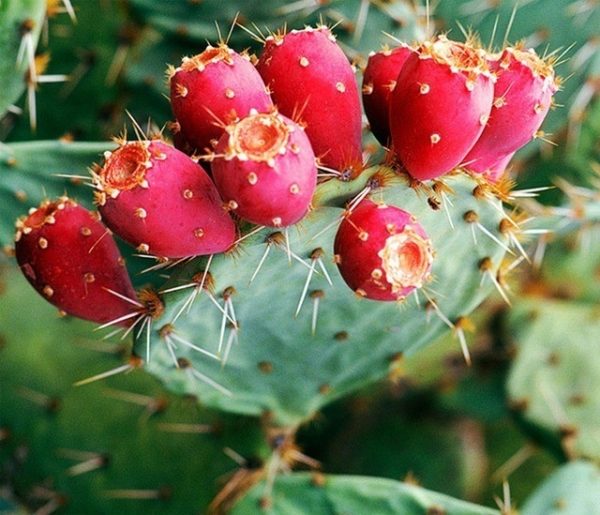
A notable feature of this wild fruit is that as it ripens, it turns from green to deep purple. Once the outer spines are carefully removed, the inner flesh can be eaten fresh, juiced, or made into jams, jellies, and ice cream. Beyond food, prickly pear is also processed into pharmaceuticals and cosmetics.
A cactus fruit that grows wild or is considered humble in Vietnam, yet commands high prices abroad. Illustrative photo.
Promoted Value and Market Demand
Prickly pear fruit is promoted for its potential to help manage diabetes, high cholesterol, obesity, and hangovers. It is also credited with antiviral and anti-inflammatory properties. Because of these qualities, prickly pear has gained widespread popularity in many countries.
In Vietnam, people rarely consume prickly pear. Abroad, however, it is regarded as a prized fruit, cultivated commercially and sold as a specialty item in supermarkets.
In the Southwestern United States and Northern Mexico, the fruit is highly valued. On Amazon, an average pack of 6 fruits sells for around $13 (nearly 350,000 VND).
According to the American Journal of Clinical Nutrition, prickly pear fruit helps eliminate toxins and provides antioxidant benefits thanks to its high vitamin C and E content. It may also help relieve constipation, bloating, and stomach ulcers.
Precautions and Cleaning Spines
Prickly pear fruit is generally safe for most people when properly prepared. However, consuming too much may lead to digestive issues such as diarrhea, bloating, or nausea… Constipation can also occur in some cases. Pregnant and nursing women, in particular, should consult a nutritionist or healthcare provider before consuming this fruit.
Please note that the surface of the fruit is covered with tiny glochids (spines). Therefore, they must be thoroughly cleaned off before eating to prevent injuring the lining of the digestive tract.
How to Prepare the Fruit and Other Parts
You can eat this juicy, sweet fruit fresh, turn it into jam, juice it, mix it into cocktails, or add it to dishes like salads.
Beyond the fruit, prickly pear pads (nopales) are also edible. In many cultures, they are boiled or grilled to create unique, delicious dishes. Prickly pear flowers are brewed into herbal tea. Furthermore, prickly pear seeds are pressed into cosmetic oil. It takes about 1 ton of seeds to produce just 1 liter of prickly pear seed oil, which fetches an astonishing price of up to 2,000 Euros (around 61 million VND) when exported to Europe, according to AFP.