
Offering Trays and the Significance of the First Full Moon Worship
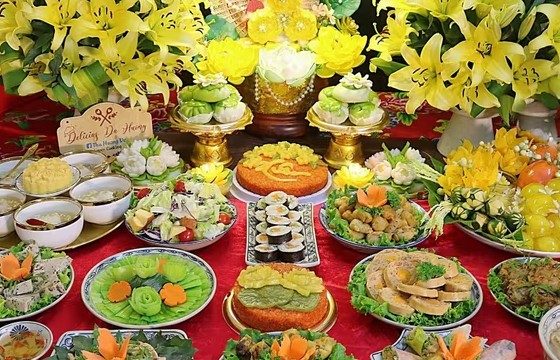
The First Full Moon offering tray prioritizes purity and reverence. Illustrative photo:In 2026, the first full moon falls on the 15th day of the first lunar month in the Year of the Horse (Bính Ngọ), continuing fine traditional values in the spiritual life of Vietnamese people. The offering tray for this full moon is not merely a material preparation, but a heartfelt expression of reverence toward ancestors and deities. Depending on economic conditions and regional customs, each family may prepare their offerings differently, yet all maintain solemnity, purity, and warmth. Typically, Vietnamese households prepare two main trays: one for the Buddha (if the family follows Buddhist practices) and one for the ancestors.
Offerings to the Buddha and Ancestors
For the Buddhist offering, purity is of paramount importance. The offering is typically vegetarian, consisting of incense, fresh flowers (often chrysanthemums, tuberoses, or lotus blossoms), lamps and candles, betel and areca, clean water, and vegetarian dishes such as sticky rice, sweet soup, vegetarian ham, spring rolls, stir-fried vegetables, and mushroom soup. A fresh five-fruit platter symbolizing the harmony of the five elements is also essential. Presenting vegetarian offerings reflects a virtuous heart, praying for peace and the dispelling of misfortune in the new year.
For the ancestral offering, many families prepare a traditional savory feast. In the North, the feast typically includes a whole boiled chicken, red gac or mung bean sticky rice, Vietnamese pork roll (giò lụa), cinnamon pork roll, fried spring rolls, bamboo shoot soup or dried pigskin soup, stir-fried glass noodles, and pickled shallots. Central Vietnam may include bánh tét, fermented pork tré, and crispy spring rolls (ram); the South often features caramelized pork and eggs, stuffed bitter melon soup, and shrimp and pork salad. Despite regional variations, the offering tray always conveys remembrance of ancestors, expressing deep gratitude to those who have passed and praying for their protection and blessings.
The Meaning of Dishes, Incense, Flowers, and Candles
A key aspect of the first full moon feast is completeness and balance. According to folklore, the meal should feature a balance of flavors—salty, sweet, sour, and spicy—along with harmonious colors symbolizing abundance and fulfillment. A golden boiled chicken symbolizes an auspicious beginning; bright red sticky rice represents good fortune and prosperity; while sweet soup carries wishes for a sweet and peaceful life.
Beyond the culinary dishes, incense, flowers, and candles also hold profound meaning. Incense serves as a bridge connecting the mortal world to the spiritual realm; candlelight symbolizes wisdom, illuminating the path ahead; fresh flowers represent purity and the sincere devotion of descendants. When lighting incense, the head of the household typically dresses respectfully, recites prayers, and expresses wishes for good health, smooth endeavors, and family harmony.
Streamlined Preparation While Preserving Traditions
In modern life today, many families tend to simplify their offerings, focusing on compactness and avoiding waste. However, the core remains sincerity of heart. Some families prepare only a modest meal with a few familiar dishes, yet they cook them with care and arrange them neatly, showing deep respect for tradition. This adjustment suits busy lifestyles while preserving profound cultural values.
Along with worship at home, many people visit pagodas on the first full moon day. It is an occasion to pray for peace and blessings at the start of the year, listen to Buddhist sutras and Dharma teachings, and remind oneself to lead a virtuous life. Whether at the pagoda or at home, the core value lies in benevolence, gratitude, and the aspiration to build a better life.
The first full moon offering tray is therefore not just a feast on the altar, but also a symbol of family reunion. In the moments when the entire family gathers to prepare, younger generations hear grandparents share the meaning of Tết Nguyên Tiêu, learn how to offer incense, arrange the five-fruit platter, and uphold family values. These traditions help nurture and enrich national cultural identity across generations.
Amid the hustle and bustle of modern life, preparing the first full moon offering reminds everyone of their roots. It is an opportunity to reflect on past days and resolve to live better in the new year. Whether lavish or simple, what matters most is sincerity, filial piety, and faith in goodness. The first full moon will once again shine bright beneath the spring sky. In that moonlight, with gentle trails of incense smoke, the offerings are presented with heartfelt devotion, ushering in a new year of peace, happiness, and hope./.