
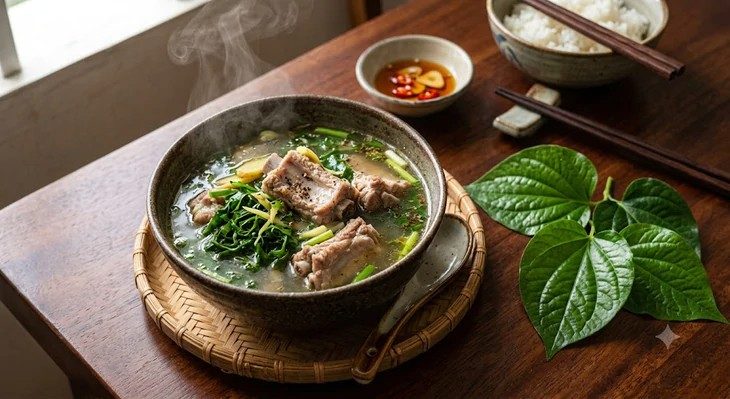
Wild Betel Leaves (Lá Lốt): Easy Dishes to Enhance Your Meals and Support Digestion
Wild betel leaves (Piper lolot) contain essential oils and numerous bioactive plant compounds. In traditional medicine, lá lốt possesses a pungent flavor and warming nature, commonly used for conditions associated with "cold-dampness" such as abdominal aches, bloating, a cold stomach, or digestive disturbances.
According to Specialist Doctor II Tran Ngoc Que from the Quang Tri Oriental Medicine Association, lá lốt is frequently utilized for symptoms linked to wind-cold-damp patterns—such as cold extremities, numbness, and joint or bone aches—as well as cold-induced digestive disorders including abdominal pain, bloating, nausea, and diarrhea.
From a nutritional perspective, incorporating lá lốt as a culinary herb adds diversity to your daily diet. Its distinctive, aromatic fragrance also stimulates the taste buds, making everyday meals far more appetizing.
While several laboratory studies have identified bioactive properties in wild betel leaf extracts, these findings should not be interpreted to mean that consuming lá lốt can cure or treat clinical gastrointestinal diseases in humans.
Here are several simple dishes you can make with lá lốt:
Pork Rib and Ginger Soup with Lá Lốt
Combining pork ribs with fresh ginger and wild betel leaves creates a fragrant, warming broth that is perfect for chilly days.
Preparation: Chop pork ribs into bite-sized pieces, blanch in boiling water, then simmer with sliced ginger until tender. Wash and finely slice the lá lốt leaves. Once the ribs are cooked through, add the leaves to the pot, season to taste, and remove from heat.
Minced Pork Congee with Lá Lốt and Perilla Leaves
A gentle, comforting congee where wild betel leaves and perilla bring a delightful herbal aroma.
Preparation: Simmer rice into a smooth congee (porridge). Sauté seasoned minced pork until cooked through, then stir into the simmering congee. Once it returns to a boil, stir in finely sliced lá lốt and perilla leaves, adjust seasonings, and serve warm.
Clam or Baby Clam Soup with Lá Lốt
Clams and baby clams supply lean protein and essential minerals; pairing them with lá lốt yields a deeply flavorful, savory broth.
Preparation: Boil the clams or baby clams, strain and reserve the broth, and shell the meat. Bring the clear broth back to a boil, add the clam meat and shredded lá lốt, season to taste, and turn off the heat immediately.
Lá Lốt Omelet
A quick, straightforward dish ideal for a nutritious breakfast or a simple family meal.
Preparation: Whisk eggs with thinly sliced lá lốt leaves, season lightly with salt and pepper, and pan-fry in a skillet until golden and cooked through.
Braised Frog with Lá Lốt, Ginger, and Turmeric
Tender frog meat stewed with fresh ginger, earthy turmeric, and lá lốt creates a rich, aromatic, and savory main dish.
Preparation: Clean and cut frog meat, marinating it with ground turmeric, minced ginger, and spices. Sear the meat until firm, add a small amount of water, and braise until tender. Finally, stir in sliced lá lốt leaves and toss evenly before serving.
Stewed Eggplant with Pork, Tofu, and Lá Lốt (Canh Cà Bung)
Eggplant, crispy tofu, and pork simmered with lá lốt form a classic comfort dish in traditional Vietnamese home cooking.
Preparation: Cut eggplant into wedges and briefly sauté. Add sliced pork and fried tofu cubes, pour in enough broth or water, and simmer until the ingredients are tender. Finish by stirring in shredded lá lốt and perilla leaves, then season to taste.
Precautions When Using Wild Betel Leaves
While lá lốt is a wholesome culinary herb, it should not be consumed in excessive amounts as a self-prescribed medicinal remedy. Individuals with "internal heat," mouth ulcers, or persistent constipation should moderate their intake if they notice symptoms worsening.
Importantly, if you experience persistent gastrointestinal symptoms such as severe abdominal pain, ongoing diarrhea, vomiting, chronic bloating, or recurrent digestive issues, seek professional medical evaluation rather than attempting to self-treat with lá lốt.
If using lá lốt for therapeutic purposes, always consult a qualified healthcare provider or licensed traditional medicine practitioner, especially if you have underlying health conditions or are taking prescription medications.