
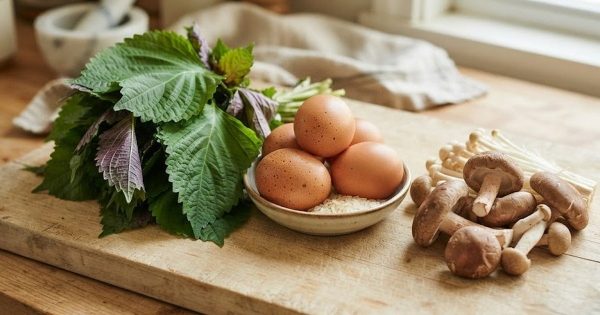
Perilla and Egg Dishes for a Heart-Healthy Diet
Pairing perilla leaves with eggs and vegetables through suitable cooking methods yields balanced dishes that support cardiovascular health.
Perilla leaves (Perilla frutescens) are a familiar culinary herb in Vietnamese cuisine. Beyond imparting a distinctive flavor to dishes, perilla also provides alpha-linolenic acid (ALA)—a plant-derived omega-3 fatty acid—along with various phytochemicals such as flavonoids, polyphenols, and rosmarinic acid.
When paired with eggs, mushrooms, and vegetables and prepared using cooking methods like steaming, boiling, or simmering into soup, these dishes can readily fit into a diverse, balanced diet that moderates saturated fats and sodium.
Perilla – A Familiar Culinary Herb
Perilla has long been a staple in Vietnamese home cooking. In traditional medicine, perilla leaves are known as tô diệp and are used in various folk remedies and culinary traditions.
Nutritionally, perilla provides ALA along with phytochemicals known for antioxidant properties that have been researched for various bioactive benefits. However, perilla should not be regarded as a direct cure or preventive treatment for cardiovascular disease.
Its dietary value lies in serving as a fresh, flavorful herb that enhances culinary taste while helping reduce the need for excess cooking oil, salt, or heavy seasonings.
Three Perilla and Egg Dishes
Perilla Leaf Omelet
A perilla leaf omelet is a simple, quick dish suitable for breakfast or daily family meals.
Wash the perilla leaves thoroughly, slice them finely, and mix them into whisked eggs. You can add green onions, black pepper, or finely chopped vegetables to enhance both flavor and nutritional value.
Eggs supply high-quality protein alongside key nutrients like choline, vitamin B12, and selenium. In a balanced diet, eggs can easily complement a wide variety of foods.
To make this dish better suited for a heart-healthy diet, use a non-stick pan and a moderate amount of oil. Plant-based oils high in unsaturated fats are preferable to animal fats.
In addition, avoid using excessive salt or fish sauce. Perilla, green onions, pepper, and other fresh herbs enrich the flavor naturally without requiring heavy seasoning.
Steamed Eggs with Perilla Leaves and Mushrooms
For those looking to reduce cooking oil, steamed eggs with perilla leaves and mushrooms are an excellent option.
Whisk the eggs thoroughly with a moderate amount of water, then fold in finely chopped mushrooms and sliced perilla leaves. Steam gently until the eggs set into a soft, tender custard.
Mushrooms and vegetables add diversity to the meal while contributing dietary fiber and beneficial phytonutrients. Steaming also eliminates the need for cooking oil compared to fried dishes.
This dish pairs well with leafy greens and steamed rice or whole grains. Try to avoid pairing it with greasy foods, processed meats, or high-sodium dishes.
Perilla Leaf and Egg Drop Soup
Perilla egg soup is easy to make, requires little to no oil, and makes a comforting addition to any family dinner.
Bring water or broth to a simmer with shallots or ginger, then slowly drizzle in the beaten eggs while gently stirring. Once the eggs are just cooked, stir in the finely sliced perilla leaves and turn off the heat immediately to preserve their distinctive aroma.
You can also include mushrooms, tofu, or other vegetables to increase the variety and nutrient density of the dish.
A key consideration is monitoring salt and other high-sodium condiments. According to the World Health Organization (WHO), adults should consume less than 5 g of salt per day, which equates to under 2,000 mg of sodium.
Therefore, season the broth lightly and limit the use of extra dipping sauces at the table.
How to Enjoy Perilla and Eggs in a Heart-Healthy Diet
No single dish determines cardiovascular health. What matters most is the overall quality of your diet and lifestyle over time.
When enjoying eggs and perilla, pair them with plenty of leafy greens, mushrooms, legumes, whole grains, fish, and other wholesome protein sources. At the same time, limit fatty meats, organ meats, processed meats, fried foods, and high-sodium items.
The WHO recommends a diverse, balanced diet that prioritizes vegetables, fruits, legumes, and whole grains, while limiting saturated fats, favoring unsaturated fats, and keeping salt intake in check.
In this way, perilla makes a wonderful everyday culinary herb. When combined with eggs, mushrooms, and fresh vegetables using cooking methods that require little oil and salt, these dishes naturally support a balanced, varied, and heart-healthy lifestyle.