
Yellow light in tea aroma enhancement research
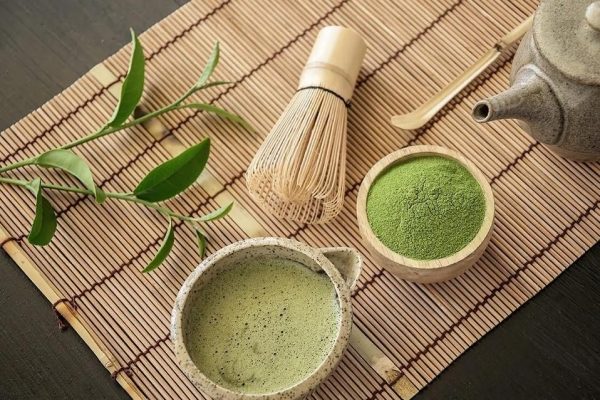
When mentioning Matcha, tea connoisseurs often immediately think of the pure scent of seaweed, the smell of young grass, or the nutty taste of chestnuts. The absence of light floral notes is not due to the tea plant's inherent lack of potential, but mainly from limitations in traditional processing techniques. To resolve this bottleneck in processing, a research team at Huazhong Agricultural University (China) published an interesting finding in the journal Agricultural and Food Chemistry: Projecting yellow light at a certain intensity onto fresh tea leaves can strongly stimulate the blooming of natural floral aromas!
Steamed tea processing and opportunities for aroma creation
The main raw material for Matcha is Tencha tea, a green tea processed using the steaming method at 100°C. Unlike popular pan-fired green teas, the steaming technique preserves maximum chlorophyll content and bioactive compounds, creating the characteristic emerald green color. However, the steaming process makes the aroma spectrum of Tencha somewhat monotonous. Typically, after being harvested, tea leaves undergo a light withering stage to release moisture and activate biochemical reactions that create aroma. For pan-fired tea, this light withering period is strictly controlled within about 4 hours to avoid deep dehydration that makes shaping difficult. That short period is not enough for aroma precursors to completely transform into floral scents. Conversely, steamed tea is not under pressure regarding moisture, creating an opportunity to extend this period to enrich precious aromatic notes.
Lighting experiments and moisture control
Based on these biological characteristics, scientists experimented by irradiating 554 lux intensity yellow light onto the surface of fresh tea leaves of the Fuding White Tea variety in a stable temperature environment. The empirical results showed that the group of tea leaves receiving yellow light established a completely different aroma transformation trend compared to the natural control group. Besides the traditional nutty notes, the tea leaves began to exhibit elegant layers of rose and jasmine scents with strong, persistent intensity. The key point of the process lies in moisture control: the floral aroma reaches its peak maturity when the water content in the tea leaves hits 68%. If the humidity is allowed to drop below 59%, these sensitive floral aroma molecules will disappear, and the tea returns to a simple scent.
Aroma compounds and application potential
To find the answer to this interesting phenomenon, experts used sensory science technology to analyze every tiny change at the molecular level. Among the 49 active compounds that create the tea's scent, scientists identified linalool and indole as the two key factors creating the difference. The results showed that under the influence of yellow light, the content of linalool – the component that creates the characteristic scent of roses and lilies – surged by 48.5%. Most interesting is the case of indole: a compound that inherently has a pungent odor at high concentrations, but emits a pure jasmine fragrance in extremely diluted forms. Raising the indole content to 11.83 micrograms/liter perfectly helped this note reach the threshold of perception, becoming an important catalyst to make the tea's floral aroma shine naturally.
The advantage of the new technology lies in the harmonious intersection between aromatic layers. Yellow light stimulates the production of dimethyl sulfide – the active compound with the strongest odor diffusion capability, creating young corn notes and characteristic seaweed flavors typically found only in premium Matcha lines. The combination of newly bloomed floral notes and traditional fragrances makes the tea flavor more multi-layered and profound. The technical solution mentioned above has high feasibility as it does not require investment in complex machinery or changes to existing production line structures. Production facilities only need to equip additional yellow LED systems in the fresh tea leaf withering area to improve raw material quality at an optimal cost. The aforementioned scientific discovery provides opportunities for tea gardens and businesses to enhance the economic value of common tea lines, bringing natural beauty and scent closer to tea lovers around the world.