
Unmissable "Green Tourism" Destinations for the 2026 New Year Holiday
Global tourism is shifting toward development models that prioritize the environment, local communities, and sustainable experiences.
Green Tourism Trends for 2025
Against the backdrop of a strong post-pandemic global tourism recovery, green tourism and responsible travel are becoming dominant trends. According to the Tourism Information Technology Center (Vietnam National Authority of Tourism), the 2025 travel trends report published by Euronews—a pan-European news television network—shows that the global tourism industry is shifting toward development models prioritizing the environment, local communities, and sustainable experiences. Travelers are increasingly avoiding overcrowded destinations, opting instead for pristine natural spaces linked to indigenous life and ecological values.
In particular, younger generations like Gen Z are eager to choose journeys that allow them to experience, learn, and contribute positively to local communities rather than just taking conventional vacations. Mr. Eduardo Santander, CEO of the European Travel Commission, noted: "Young people will not choose destinations that harm the environment or show no climate responsibility." With this transition, tourism is not just an economic sector but also a bridge helping humans live in harmony with nature, ushering in a promising, creative, and sustainable era of development.
Amid this trend, agro-tourism—where visitors immerse themselves in nature, participate in agricultural production, and embrace a slower pace of life—is emerging as a fitting choice for short holidays. Agro-tourism is an essential branch of ecotourism aimed at sustainable development models that harmonize environmental protection, the preservation of indigenous cultures, and livelihood creation for local communities. Participating in agro-tourism, travelers not only admire rural landscapes but also directly take part in production activities such as planting, harvesting, caring for livestock, processing agricultural produce, and learning about sustainable farming practices.
Through hands-on experiences immersed in nature, agro-tourism opens up opportunities for visitors to deeply discover the culture and lifestyle of local people, connect with nature in fresh surroundings, and gain practical knowledge about green agriculture. Furthermore, savoring local specialties made from fresh, clean on-site produce, interacting with local communities, and enjoying a slower pace of life help travelers relieve stress while promoting responsible tourism models that bring long-term benefits to both destinations and visitors.
In this context, the Government's decision granting civil servants and public employees a continuous 4-day holiday for the 2026 New Year is considered a significant boost for short-stay travel demand. According to Document No. 12729/VPCP-KGVX issued on December 25, 2025, swapping working days provides employees with an uninterrupted break from January 1 to January 4, 2026, ensuring required working time while stimulating tourism and consumer spending.
With limited vacation time, the tendency to select nearby, easily accessible destinations with light experiences is becoming increasingly clear. Ecological agro-tourism thus emerges as a well-suited priority, meeting the demand for "short yet high-quality trips," enabling visitors to enjoy green spaces, a slow pace of life, and connection with nature and local communities, all while aligning with the sustainable tourism development path pursued by Vietnam.
Suggested Typical Ecotourism Destinations by Region
Fansipan Peak (Sa Pa, Lào Cai).Northern Mountainous Region
Sa Pa: Sa Pa (Lào Cai) is a quintessential eco-agro-tourism destination of the northern mountainous region, renowned for its terraced rice fields winding around the foot of the Hoang Lien Son mountain range. Here, visitors can directly participate in traditional farming activities such as transplanting and harvesting rice alongside local people, combined with exploring the cultural life of the H'Mông, Red Dao, and Giáy communities. Destinations such as Cát Cát, Lao Chải - Tả Van, and Tả Phìn offer diverse experiences ranging from rice cultivation, tea harvesting, and herbal plant care to traditional crafts and herbal baths, creating a sustainable ecotourism landscape closely linked to agriculture and cultural identity.
Đồng Văn Karst Plateau (formerly Hà Giang).Hà Giang (Tuyên Quang): Hà Giang impresses with the majestic Đồng Văn Karst Plateau and unique adaptive farming models on harsh terrain. Agro-tourism here allows visitors to learn about growing corn, barley, and native vegetables, practicing traditional animal husbandry, and experiencing the iconic buckwheat flower season. Destinations like Nậm Đăm community-based village, Lùng Tám weaving village, and Sủng Là valley offer activities such as farming, herbal medicine cultivation, traditional crafts, and indigenous cultural exploration, creating a sustainable and culturally rich ecotourism journey.
Happy Land Farm (Mộc Châu).Mộc Châu: Mộc Châu stands out with its lush green tea hills—a symbol of agriculture on the northern plateau—where visitors can experience picking, processing, and tasting specialty teas, while immersing themselves in nature and taking photos amid the vast tea fields. In addition, dairy farms provide modern agricultural experiences with cow milking, tours of production processes, and opportunities to purchase fresh, clean products. The Happy Land farm completes the ecotourism picture of Mộc Châu with vegetable gardening, flower caring, and homestay stays within peaceful highland surroundings.
Hanoi Botanical Garden.Red River Delta
Hanoi: As ecotourism and experiential travel receive growing attention as sustainable vacation trends, Hanoi is gradually establishing its unique charm with green destinations tied to agriculture and natural spaces. Far more than just a political and cultural hub, the capital also boasts a network of peri-urban eco-agricultural zones in Sóc Sơn, Ba Vì, Đông Anh, and Gia Lâm, where visitors can plant vegetables, tend fruit trees, experience organic and high-tech farming models, and learn about the livelihoods of suburban farmers. These activities offer gentle relaxation close to nature, perfectly suited for families and groups of travelers during short getaways.
Alongside agro-ecological areas, Hanoi Botanical Garden is a typical green space that enriches the eco-tourism experience right in the heart of the city. With a diverse tree system, lakes, and tranquil walking paths, this place is not only valuable for plant conservation and environmental education, but also an ideal destination for relaxation and learning about native and introduced plant species. The combination of suburban agricultural tourist destinations and green spaces such as the Hanoi Botanical Garden has opened up diverse choices for visitors during the 4-day New Year holiday, especially for those seeking a slow-paced journey balancing experiential activities, relaxation, and access to ecological values right in the capital city.
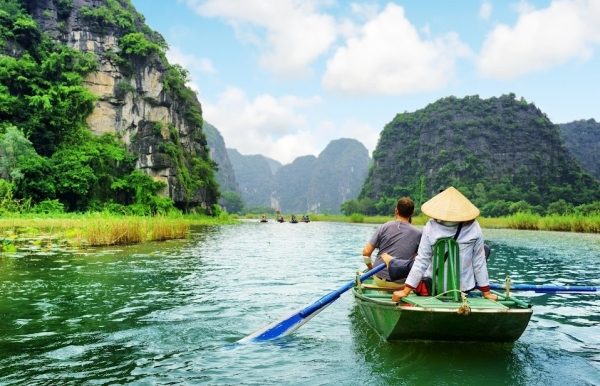
Van Long Wetland (Ninh Binh).Ninh Binh: Not only famous for Trang An or Hang Mua, Ninh Binh is also an attractive destination for agro-ecological tourism, where visitors can experience the Northern countryside through activities like rice transplanting, organic vegetable growing, fruit orchard caring, and boat rowing amidst rivers and limestone mountains. Typical destinations such as Trang An (combining agricultural experiences with heritage), Van Long wetland (agriculture linked to wetland ecosystems), and Gia Thuy pottery village offer a harmonious journey of discovering nature, livelihoods, and local craft village culture.
Bach Ma National Park (Hue).Central Region
Hue: Beyond the charm of the ancient capital, Hue is also a suitable destination for agro-ecological tourism tied to traditional rice fields and suburban villages. Visitors can experience cultivating and harvesting vegetables, fruits, and herbs at organic farms, coupled with cooking with fresh, clean ingredients. Destinations like Bach Ma National Park offer sustainable agricultural experiences amid verdant forest spaces, while the Phu Cam conical hat village and Thanh Tien paper flower village help visitors discover the intersection between agricultural production, handicraft villages, and Hue's distinctive culture.
Dragon fruit orchard in Ham Thuan Nam (Binh Thuan).Binh Thuan: Binh Thuan is not only famous for marine tourism but is also an attractive destination for agricultural tourism thanks to characteristic products such as dragon fruit, grapes, and cashews. Visitors can experience growing, tending, and harvesting dragon fruit in Ham Thuan Nam – the nation's dragon fruit "capital", visit Tuy Phong vineyards, and enjoy grape products in a coastal setting. In addition, when visiting Phan Thiet fish sauce craft village, tourists have the opportunity to learn about traditional production processes and savor local specialties, creating a harmonious blend of agriculture, culture, and marine tourism.
Coffee farm in Dak Lak.Central Highlands
Dak Lak: Dak Lak - the coffee capital of Vietnam, is a representative destination for agro-ecological tourism linked to Central Highlands culture. Visitors can tour coffee farms, directly experience harvesting, roasting, and tasting coffee right in the gardens, while learning about the daily life and culture of indigenous communities. In addition, eco-farms growing cocoa, black pepper, and cashews also offer diverse experiences, from observing artisan chocolate-making processes to hand-picking pepper, contributing to an agricultural travel journey rich in identity and close to nature.
Da Lat Milk Farm.Lam Dong: Lam Dong, centered around Da Lat, stands out with its mild climate, poetic scenery, and characteristic highland agriculture. Visitors can experience harvesting strawberries, visiting flower farms and organic vegetable gardens, and learning about modern farming models such as hydroponics. Destinations like artichoke farms, Da Lat Milk Farm, or Cau Dat Farm allow visitors to explore the entire agricultural value chain from cultivation and livestock farming to processing and on-site tasting, creating a diverse and sustainable agro-ecological tourism journey.
Vinpearl Organic Farm (Phu Quoc).Southern Region
Phu Quoc: Famous not only for blue seas and white sands, Phu Quoc is also appealing for agro-ecological tourism and traditional craft villages. Visitors can tour pepper farms, vegetable and fruit gardens, and pearl farming facilities, participate in harvesting, and learn about production processes. The experiential travel journey becomes even richer with traditional fish sauce barrel houses, Vinpearl Organic Farm, and the Ngoc Hien pearl farm, combined with tasting sim wine and fresh seafood, delivering a distinctive island agricultural experience steeped in local identity.
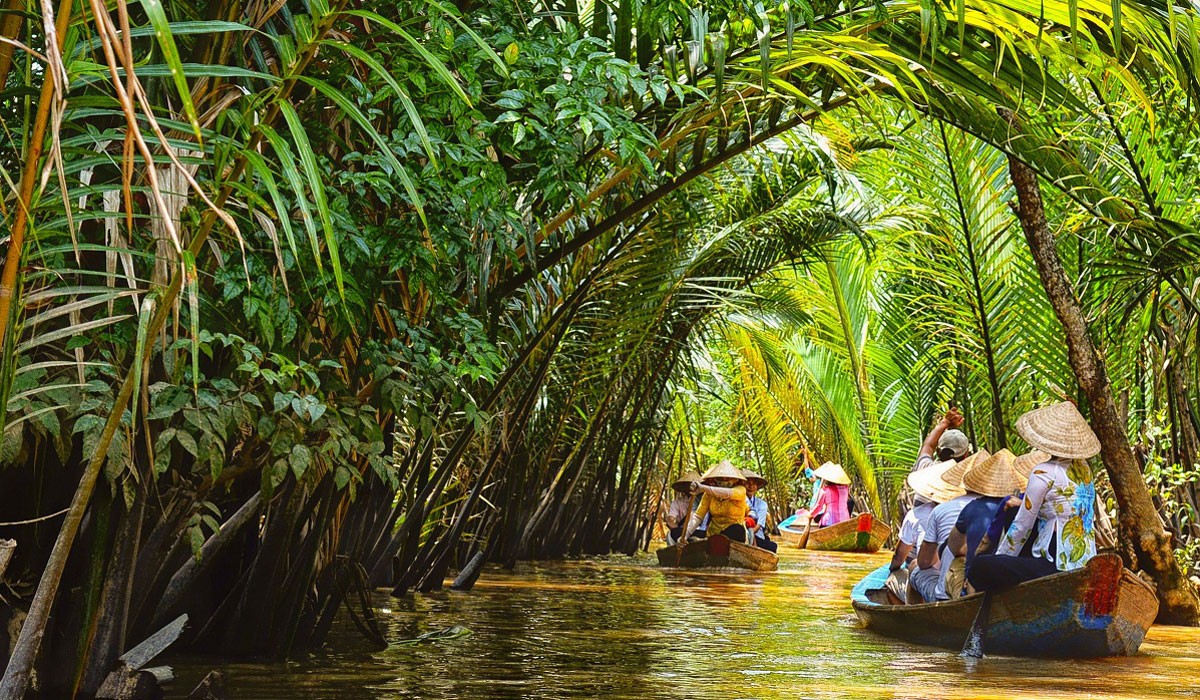
Mekong Delta: The Mekong Delta – the nation's "granary and agricultural basket", attracts visitors with distinctive riverine agricultural experiences. Here, tourists can sow and transplant rice, harvest fruit, tour fish and shrimp farming models, and immerse themselves in southwestern river life. Highlights such as An Binh island (Vinh Long), Chau Doc floating fish farm village (An Giang), or Thap Muoi rice paddies (Dong Thap) offer intimate and authentic experiences, combined with paddling wooden dinghies along canals, enjoying rustic cuisine, and discovering indigenous customs. Agro-ecological tourism here not only enhances the visitor experience, but also contributes to fostering sustainable development, protecting the environment, and generating livelihoods for local communities.