
Origin and usage value of kiwi
Photo: Wikimedia Commons.History of the name and characteristics of the vine
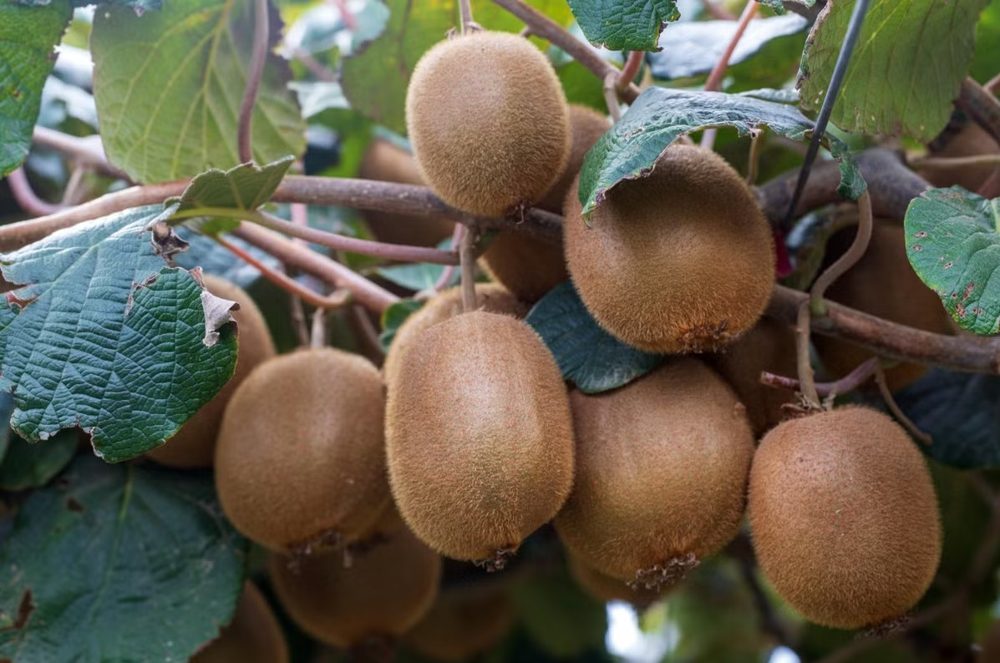
Kiwi (Actinidia chinensis) is a climbing plant in the family Actinidiaceae, originating from southern China. Before being widely known to the world, this fruit was once called "Chinese gooseberry". It was not until the early 20th century, when it was introduced to New Zealand and developed commercially, that it was named "kiwi", inspired by the national bird of this country.
The kiwi plant is a woody vine that can grow dozens of meters long if supported by trellises or pillars. Its leaves are large, heart-shaped, and covered with fine hairs, while the flowers are creamy white or pale yellow, emitting a gentle fragrance. An interesting feature is that many kiwi plants have distinct sexes – male and female plants are separate – so cultivation requires careful arrangement to ensure pollination.
Fruit characteristics and nutritional composition
The kiwi fruit is distinguished by its thin, slightly fuzzy skin and vibrant green or yellow flesh, dotted with small black seeds arranged in regular circles. The flavor of kiwi is a harmonious combination of sour and sweet, sometimes with hints reminiscent of strawberries, pineapples, or bananas. In particular, the golden kiwi variety has a mild sweetness and is less acidic, becoming increasingly popular on the international market.
Beyond being delicious, kiwi is a natural "nutritional warehouse". It contains very high levels of vitamin C, even surpassing oranges, along with fiber, potassium, and antioxidants. The enzyme actinidin in kiwi also supports protein digestion, making this fruit often used as an ingredient to help tenderize meat in culinary applications.
Growth in the global market
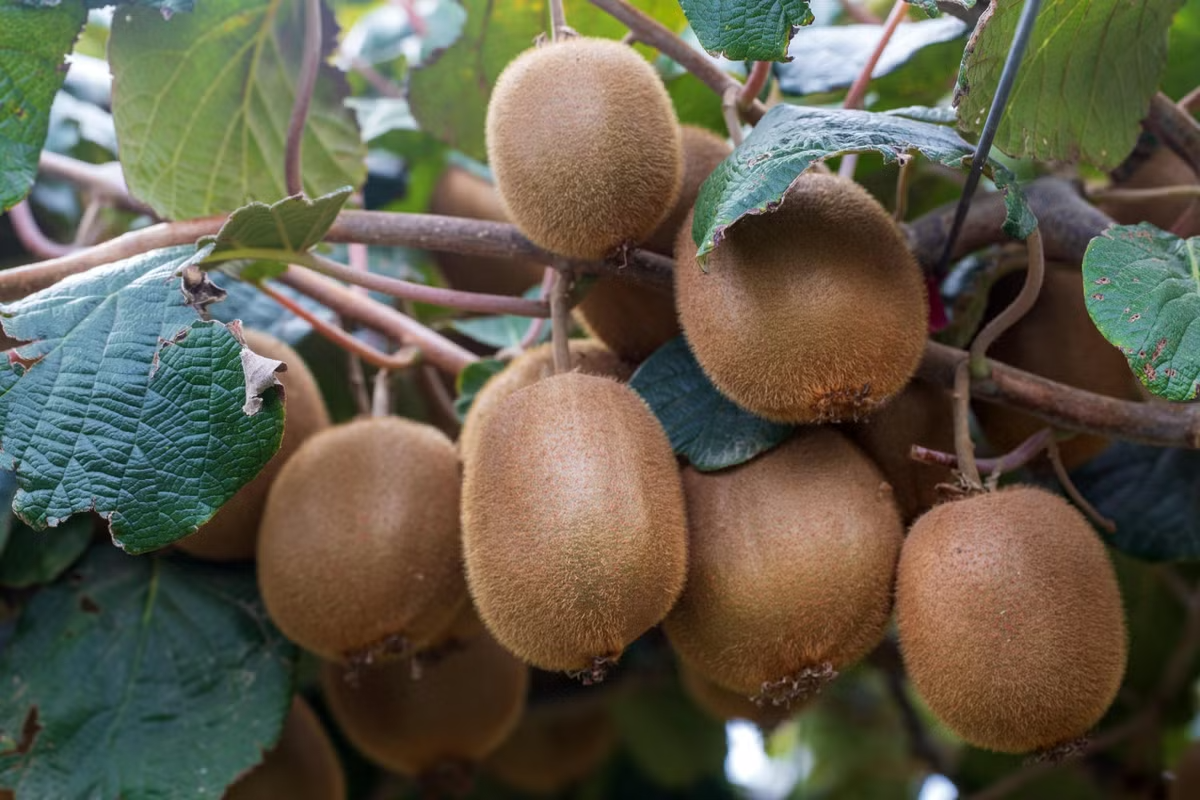
Today, kiwi is widely grown in many temperate climate countries such as New Zealand, Italy, Chile, and China. The development of modern agriculture has turned a once little-known fruit into a global product, appearing in everything from desserts and smoothies to salads.
From humble vines in the mountains of Asia, kiwi has conquered the world with its fresh taste and outstanding nutritional value, becoming a testament to how humans can discover and spread nature's precious gifts.