
Coconut coir, shell, and sprout: The little-known "treasures" of the coconut
The coconut has long been an integral part of Vietnamese life, especially in the southwestern provinces. Beyond its beloved water and flesh, many other parts of the coconut thought to be waste can be utilized in various unexpected ways.
Coconut coir: From waste to useful products
After harvesting the coconut, the fibrous husk (coir) is often discarded. However, it is actually a popular raw material used widely in agriculture and daily life. Thanks to its excellent moisture retention, coconut coir is frequently used for planting, seed germination, or as a growing substrate for clean vegetables.
In addition, many places repurpose coconut coir to produce doormats, ropes, plant pots, and handicrafts. Some people even use dried coir as kindling for stoves instead of firewood.
Coconut shell: Crafting truly unique household items
The hard shell inside the coconut is another part people often discard without a second thought after eating. Yet, with a little craftsmanship, coconut shells can be transformed into bowls, spoons, drinking cups, or rustic decorative items.
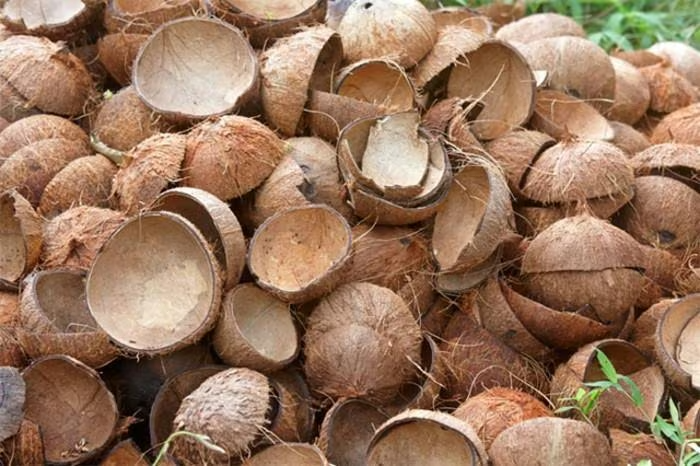
Today, many cafes and restaurants use coconut shells as decor items because they are both eco-friendly and bring a warm, natural feel. Several craft villages also turn coconut shells into night lamps, handbags, and souvenirs for export.
Coconut sprout: An unusual treat enjoyed by many
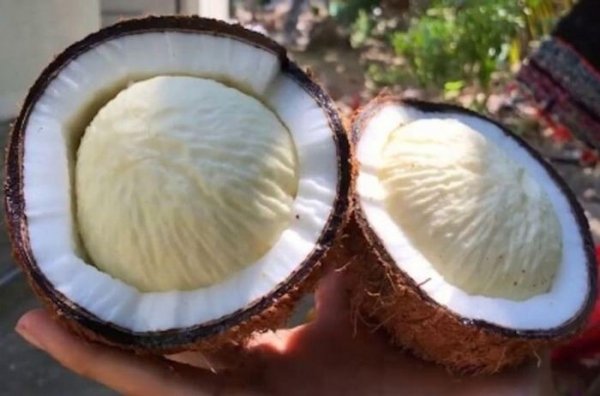
The coconut sprout (coconut pearl or apple) is the spongy growth inside a mature, germinating coconut. Many people throw it away thinking it is inedible, but in reality, it is a rustic delicacy loved by quite a few.
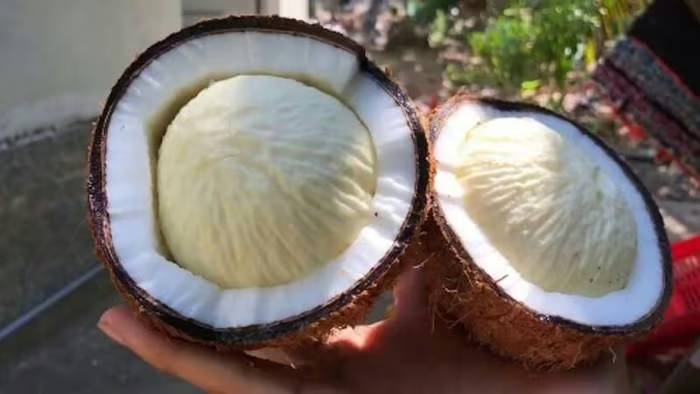
The coconut sprout has a nutty, slightly sweet taste and a light, cottony texture. People in the Mekong Delta often eat it fresh or enjoy it as a snack. While not overly common, to many it is the most “prized” part of a mature coconut.
As can be seen, virtually every part of the coconut can be utilized in different ways. From cooking ingredients to daily household items, this familiar fruit is not only deeply intertwined with Vietnamese culture but also showcases the ingenuity of making full use of nature and minimizing waste.