
In recent years, organic agricultural products have been viewed as a green consumption trend and an essential direction for sustainable agriculture. Organic products are promoted as safe for health, environmentally friendly, and instrumental in protecting ecosystems. However, despite the continuous expansion of the organic produce market, many consumers remain skeptical about the quality and authenticity of products bearing the organic label. This skepticism stems from various factors, from market realities to public awareness and regulatory mechanisms.
Trust barriers facing organic agricultural products
Trust in the origin of organic agricultural products
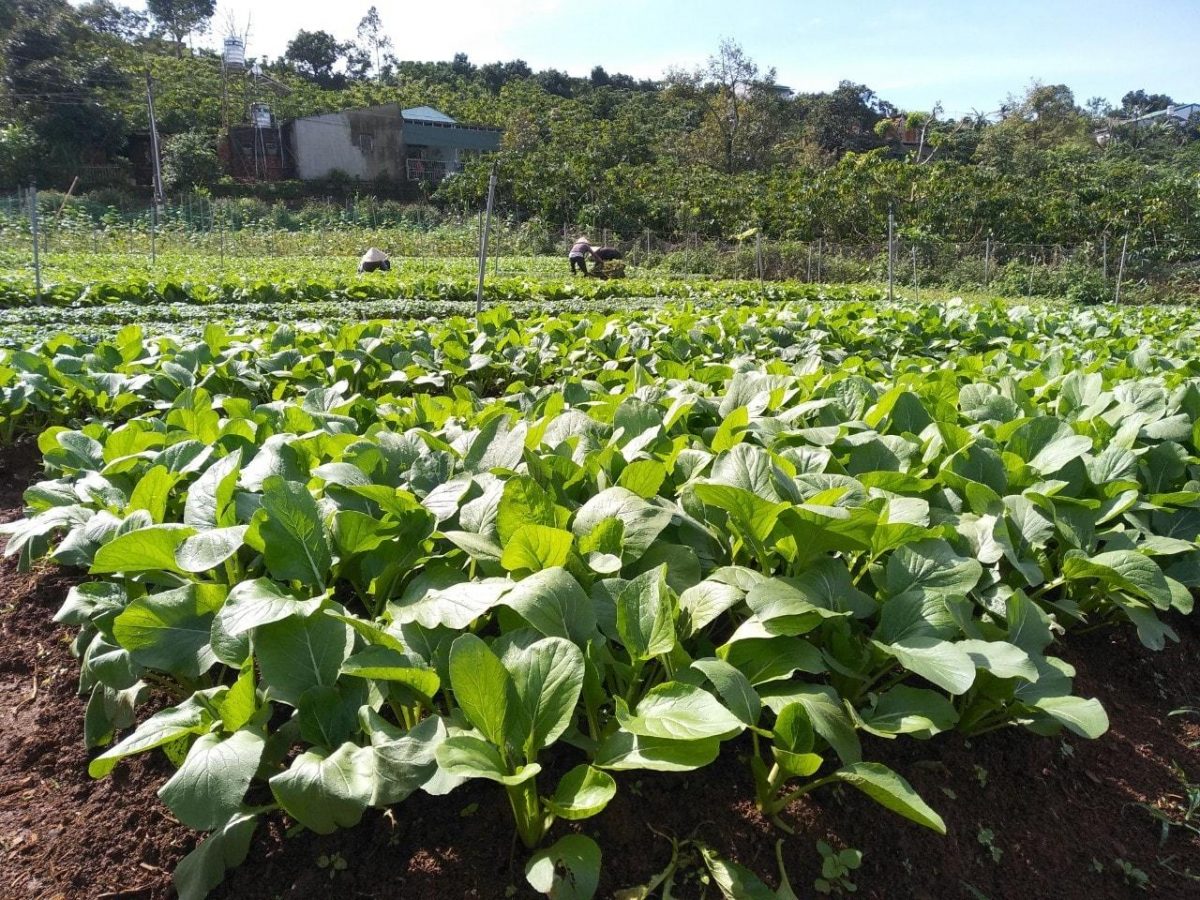
One of the primary causes is the lack of confidence in product origins. The current market is flooded with vegetables, fruits, and food items advertised as “organic,” “clean,” “natural,” “biological,” or “safe.” However, not all products are certified according to organic standards. Consumers often find it difficult to distinguish between genuine organic products and those merely labeled as such to inflate prices. Without sufficient information or verification tools, consumer suspicion is only natural.
In addition, commercial fraud in the agricultural sector has eroded consumer confidence. There have been instances where conventionally grown produce was still advertised as organic. Some businesses exploit the market's demand for clean food to slap on organic labels without adhering to rigorous production processes. While these incidents may not be pervasive, they have a substantial negative impact on consumer perception. Just a few exposed cases can cause many people to lose faith in the entire organic market.
High prices are another factor leading consumers to question the true value of organic agricultural products. Typically, organic products are priced anywhere from 20% to several times higher than conventional items. This disparity stems from higher production costs, lower yields, and the expenses associated with certification. For many consumers, however, the significant price difference makes them wonder whether the product is genuinely superior or merely the result of a marketing strategy. Without experiencing a discernible difference in quality, many find it hard to accept the premium price of organic produce.
Another reason is that consumers often lack comprehensive knowledge about organic production. Many assume that organic products should look flawless, have uniform sizing, and be free of insect damage. In reality, organic produce retains its natural characteristics and can sometimes appear less visually appealing than conventionally farmed alternatives. This difference in appearance often leads some consumers to doubt product quality or feel that it does not justify the higher price.
The lack of information regarding organic standards also poses a major barrier. Today, there are multiple organic certification systems, such as Vietnam's organic standards, EU, USDA, JAS, and other international certification schemes. For most consumers, these concepts remain quite unfamiliar. They may not know how to identify certified labels, understand what each certification entails, or have the criteria to assess product credibility. Where knowledge is limited, skepticism naturally arises.
Another crucial factor is the inconsistent implementation of traceability. Although many enterprises have adopted QR codes and digital management systems, not all products provide complete information regarding growing areas, production processes, and certification bodies. In some cases, traceability data is rudimentary or difficult to access. This prevents consumers from easily verifying product claims, thereby undermining their trust.
Consumer sentiment shaped by past experiences also contributes to ongoing skepticism. Over the years, the food market has witnessed recurring issues involving pesticide residues, chemical preservatives, banned livestock additives, and counterfeit goods. These incidents have made consumers increasingly cautious about food marketing claims. When faced with overly attractive claims about organic produce, many tend to react with doubt rather than immediate trust.
Furthermore, communication and outreach efforts regarding organic agriculture remain ineffective in many areas. Numerous enterprises focus primarily on promoting their products without clearly explaining the farming methods, ecological benefits, and health values of organic production. As a result, consumers see only the higher price tag without understanding the labor and costs behind the farming process. This information gap easily leads to incomplete perceptions or unfavorable attitudes toward organic agriculture.
However, consumer skepticism is not entirely negative. Viewed from another angle, it serves as a driving force for businesses, cooperatives, and farmers to improve transparency and product quality. A healthy, developing market must be built on trust, and trust can only be established when consumers are provided with comprehensive, accurate, and verifiable information.
To dispel consumer skepticism, strengthening quality control and traceability systems is an essential first step. Organic products must publicly disclose information regarding production areas, certification bodies, and farming practices. Digital technologies should be more widely applied so that consumers can easily access and verify product data.
At the same time, public communication and community education need to be stepped up. Consumers should be equipped with knowledge about organic agriculture, how to identify certified products, and the tangible benefits that organic farming brings to human health and the environment. When the value of organic produce is better understood, consumers will have a solid foundation to make informed choices.
Regulatory authorities must also intensify inspections, monitoring, and strictly penalize fraudulent practices in the production and trade of organic agricultural products. Protecting legitimate producers not only fosters consumer confidence but also creates a fair, competitive environment for the entire market.
In conclusion, consumer skepticism toward organic agricultural products arises from both objective and subjective factors. Nevertheless, as product quality is safeguarded, transparency is enhanced, and management mechanisms are continuously improved, consumer trust will gradually be restored. This is a vital prerequisite for organic agriculture to achieve sustainable development, contributing to a green, safe, and environmentally friendly agricultural future./.
Source: VOAA
← Activities News