
US health authorities have declared an end to the Cyclospora parasite outbreak linked to iceberg lettuce, after recording 12,883 illnesses across 21 states, with 570 hospitalizations and 2 deaths. The incident raises significant concerns regarding food safety control in cross-border fresh produce supply chains.
Summary of the Lettuce-Linked Outbreak
Developments of the Cyclospora Outbreak
The US Centers for Disease Control and Prevention (CDC) recently announced that the Cyclospora outbreak linked to iceberg lettuce has ended. According to the agency, new illnesses associated with the outbreak have dropped significantly, and the contaminated product was determined to no longer be circulating in stores or restaurants. This is considered the largest Cyclospora outbreak ever recorded in the United States, with a total of 12,883 confirmed cases across 21 states, 570 hospitalizations, and 2 deaths reported in the state of Michigan.
Epidemiological and traceback investigations by the FDA linked the outbreak to processed iceberg lettuce supplied by Taylor Farms de Mexico, with raw materials sourced from central Mexico. The product was distributed to numerous restaurants and retail chains across the United States.
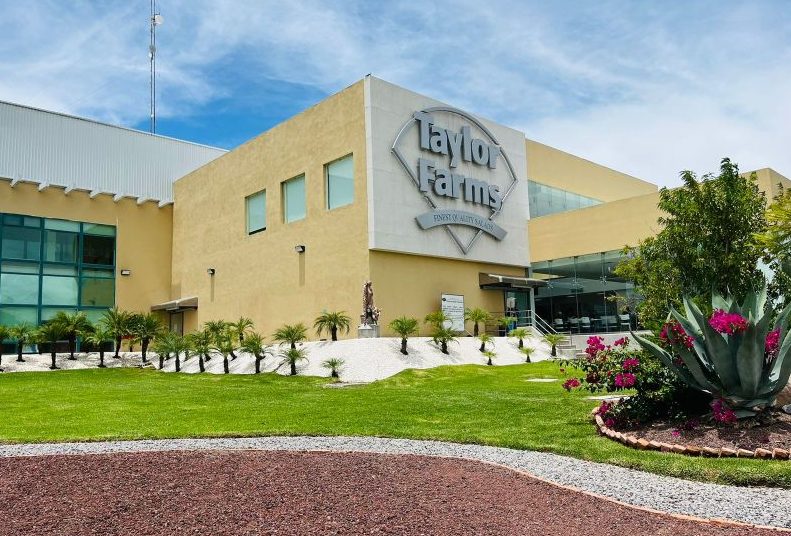
Taylor Farms de Mexico voluntarily recalled iceberg lettuce sourced from the region starting on July 17. The FDA subsequently conducted facility inspections and sampling in Mexico, working closely with Mexican regulatory authorities to determine how the parasite entered the supply chain.
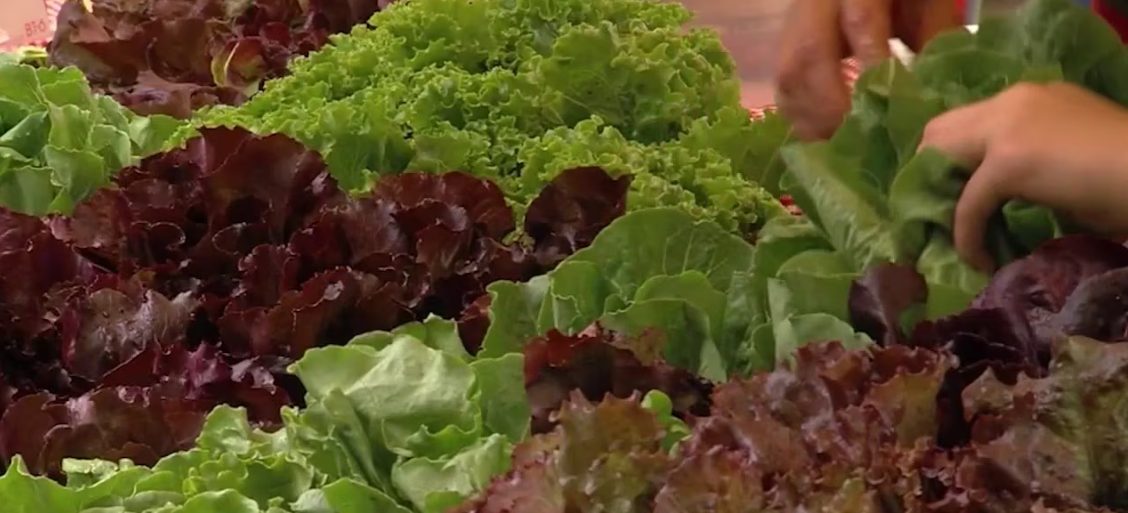
Cyclospora is typically transmitted through food or water contaminated with human feces. Fresh produce can also become contaminated during production if agricultural soil or irrigation water is contaminated. This makes agricultural water management, sanitation practices, and traceability vital links in ensuring fresh produce safety.
Notably, although the outbreak has been declared over, the FDA continues to investigate the exact cause of the Cyclospora contamination in the lettuce. The agency stated that identifying the source of contamination is critical to preventing similar incidents across the agricultural supply chain in the future.
Source: VOAA
← Activity News