
The U.S. National Cattlemen’s Beef Association (NCBA) is ramping up pressure on federal regulators to enforce clearer labeling rules for lab-grown meat and plant-based protein products. This move reflects growing concerns across the livestock industry that consumers may confuse conventional meat with alternative substitutes.
Labeling Regulations for Alternative Protein Products
Labeling Proposals Under the FAIR Labels Act
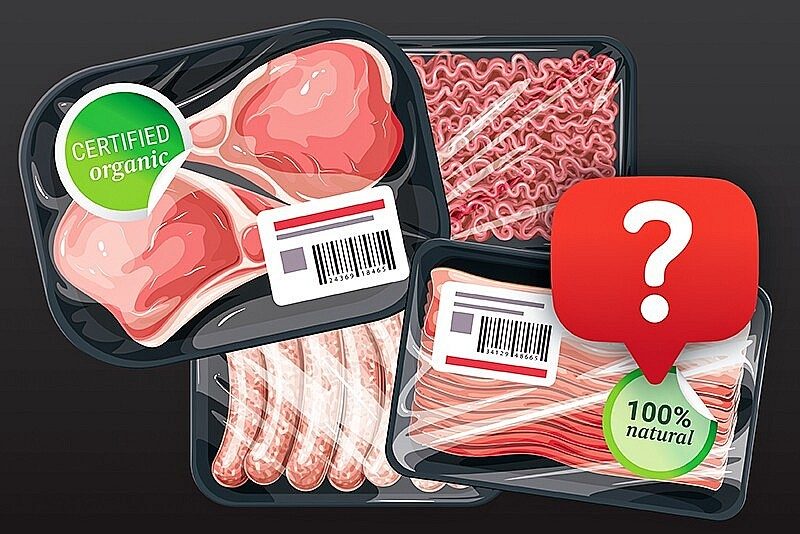
The U.S. National Cattlemen’s Beef Association (NCBA) recently reaffirmed its support for the FAIR Labels Act, which seeks to establish mandatory labeling standards for alternative protein products in the marketplace. Under the proposal, cultured meat products would have to be clearly labeled as "cell-cultivated protein," while plant-based foods must be designated as a "plant-based alternative protein." The NCBA contends that many businesses are co-opting terms such as "meat" or "beef" to market alternatives, creating a risk of consumer deception and directly harming traditional cattle farming. The organization insists that the term "beef" should be reserved exclusively for products derived from cattle raised on farms and ranches.
According to a consumer survey conducted by the NCBA, 74% of respondents believe clear designations are needed to distinguish cultivated meat from conventional meat when purchasing protein products. Another survey of over 1,800 consumers revealed that nearly two-thirds of respondents had mistakenly assumed certain plant-based meat products contained real beef or animal by-products. The U.S. cattle industry fears that the rapid rise of alternative proteins could erode the brand equity of conventional beef, which has been built over decades. Agricultural associations also argue that opaque labeling leaves consumers struggling to discern the true origin of their food, particularly as the cultivated meat sector expands on the back of technological investments and private venture capital.
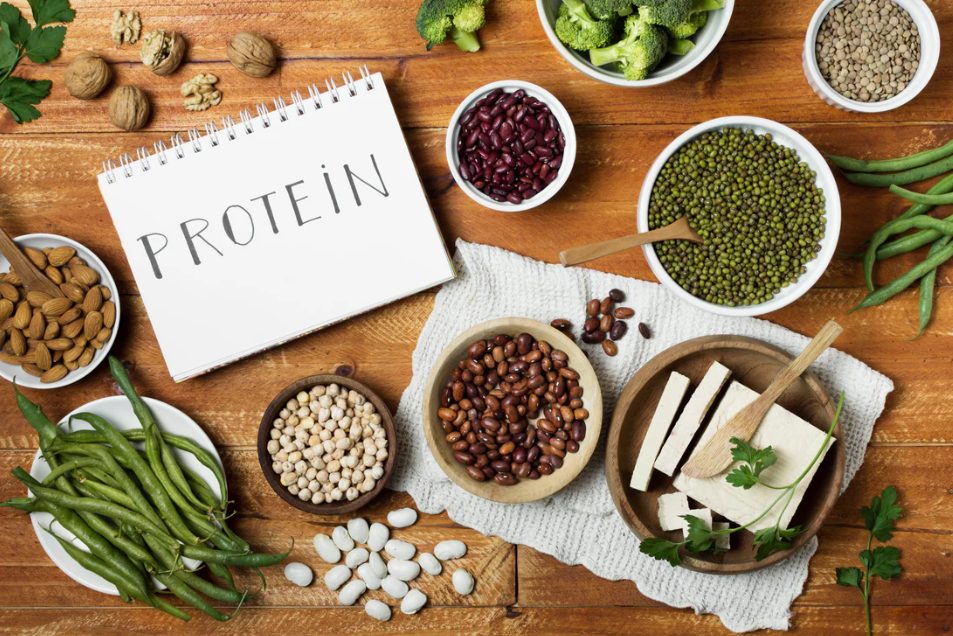
Beyond fair commercial competition, the NCBA emphasizes the principle of fairness for farmers and ranchers. The association points out that the beef sector must comply with an extensive suite of strict regulations on quarantine, traceability, and food safety, whereas alternative protein producers still operate within an incomplete regulatory framework. Cattle organizations are also lobbying the U.S. Department of Agriculture (USDA) and the Food and Drug Administration (FDA) to collaboratively establish unified standards of identity across all alternative protein categories to curb misleading marketing claims in the marketplace.
The debate over how to define and regulate cultivated meat is expected to have far-reaching impacts on the livestock industry, agricultural supply chains, and U.S. food policy for many years to come.
Source: VOAA
← Activity News