
In Hai Phong's Food Tour ecosystem, while crab red noodle soup (bánh đa cua) and spicy fish noodle soup (bún cá cay) are sit-down heritage dishes rich in cultural depth, spicy baguette (bánh mì cay) is the standout specialty that has captured the hearts of young people. Four years ago marked the rise of this signature staple among Hai Phong's eight iconic specialties. Recently, however, the battle to protect its reputation against murky industrial food practices has reaffirmed spicy baguette's crown as the ultimate convenient king of the Port City's Food Tour.
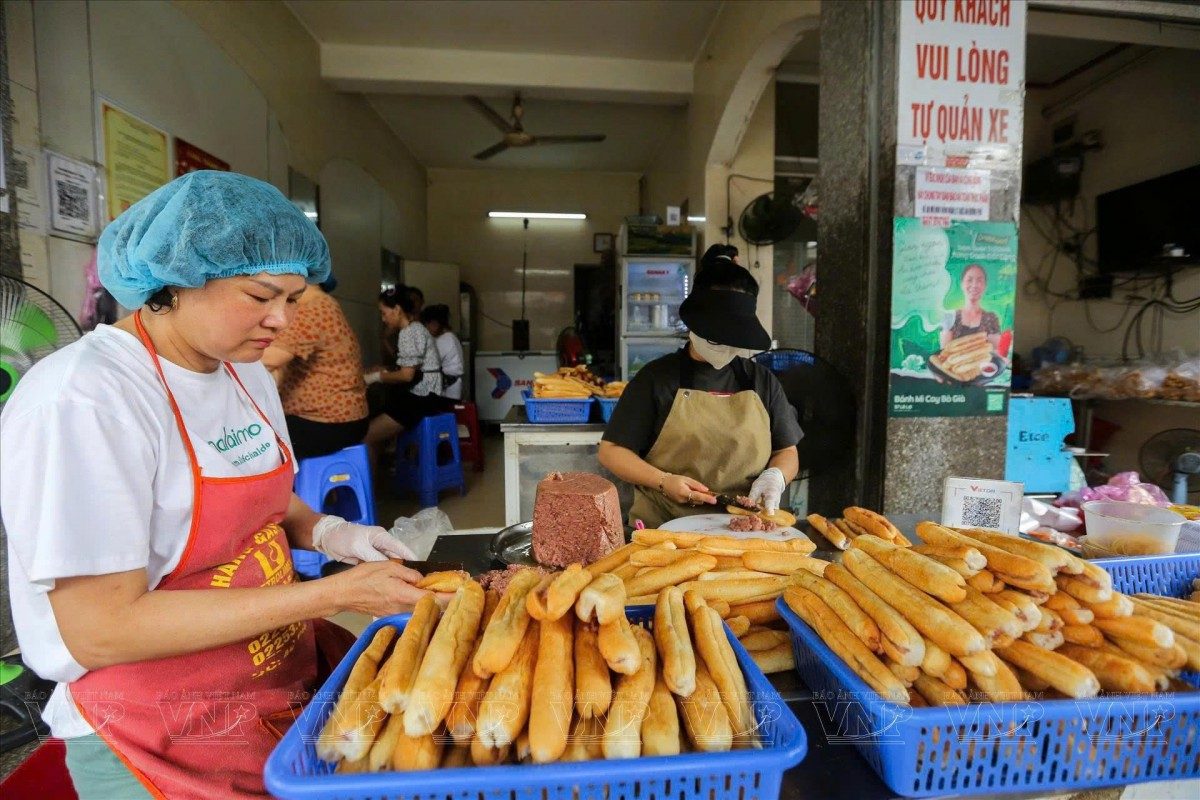
Spicy Baguette – The Signature Specialty in Hai Phong's Food Tour Ecosystem
The Strategy of Promoting Local Specialties Through Hai Phong Food Tours
Going back to May 2022, when Hanoi - Hai Phong trains began overflowing with a wave of young travelers. Rather than letting this trend spark and quickly fade, the Hai Phong Department of Tourism made a breakthrough move: formalizing street food. The launch of the "Hai Phong – Culinary Stroll" (Food Map) on May 7, 2022 was not merely a guide to dining spots, but a statement from the city: spicy baguettes, crab noodles, and Thai sweet soup were no longer just sidewalk snacks—they were tourism resources.
From there, the "Specialties as Ambassadors" strategy (2023–2025) was implemented. During this period, Hai Phong did not stop at promotion alone. The city began zoning and upgrading quality, such as digitizing the experience through the Food Tour map integrated into the digital ecosystem, making it easy for visitors to check the origin and food safety standards of each eatery.
Alongside this, seamless coordination with the railway sector gave rise to signature "Food Tour Trains," turning the travel journey into part of the cultural experience. Leaders of the Hai Phong Department of Tourism once noted this vision: "A food tour is not merely about eating; it is a journey of experiencing local culture. We identify this as a core tourism product to attract visitors, especially young people, to the city's historic downtown."
If one had to choose a single name representing the youthful vitality and explosive appeal of Hai Phong tourism, it would undoubtedly be spicy baguette. While other specialties like spicy fish noodles, crab noodles, or snails require sit-down dining spaces, leisurely time, and cumbersome utensils, spicy baguette possesses the "power of minimalism."
Becoming the Flagship Specialty in Hai Phong's Food Tour Chain
Compared to other specialties, spicy baguette is the only dish on the Food Tour list that travelers can hold in their hands, savoring it while strolling along streets like Phan Boi Chau or Dinh Tien Hoang. This mobility has made it the number-one favorite among youth—who inherently love fast, neat, and adventurous experiences. With a bag of stick baguettes, young people can check in at every corner, sharing them with friends on trains or buses without worrying about spills or cooling down.
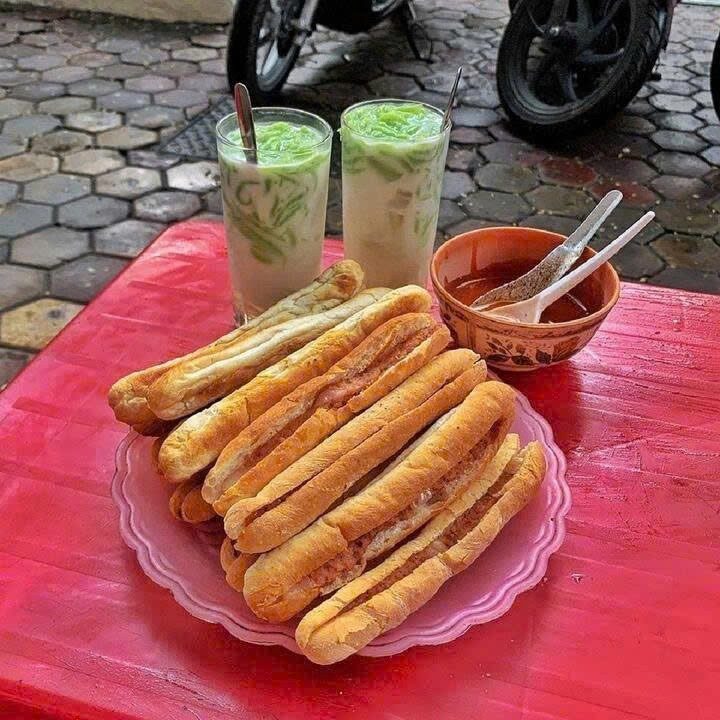
Beyond on-site dining, spicy baguette is also the ultimate "takeaway" product. A Food Tour trip might conclude with a steaming bowl of fish noodle soup, but what travelers carry home as gifts for loved ones in Hanoi or distant provinces is always dozens or hundreds of stick baguettes alongside jars of fragrant pâté. It is this ease of packaging and transport that has propelled spicy baguette into an economic locomotive, driving sales and brand recognition for Hai Phong tourism far beyond liquid-based dishes.
A Harsh Turning Point – Confronting the "Industrial Pâté Drama"
However, that "reigning" status faced a major turmoil when canned food giant HL Canfoco launched a product branded "Hai Phong Cot Den Pâté." This sparked a head-to-head clash between artisanal pâté double-boiled for 10 hours and mass-produced, machine-made industrial goods.
Traditional artisanal businesses were still reeling from the realization that a name tied to their local heritage was at risk of becoming the private property of a corporation. The climax came when authorities uncovered food safety violations involving this canned pâté line in January 2026, causing spicy baguette to suffer severe collateral damage due to name confusion between clean, handcrafted pâté and substandard canned goods.
Mr. Pham Huy Nam, a member of a pâté-making family at the Cot Den intersection, shared: "Young customers today are very discerning, but ambiguous information makes them fearful. When news broke that a canned product bearing the 'Cot Den' name violated food safety standards, we were devastated. They did not realize that artisanal pâté made from fresh meat every morning is vastly different from canned goods that sit on shelves for a year. It was a battle to preserve the honor of a dish that has sustained this entire neighborhood."
Resilient Vitality from the Philosophy of Clean and Safe Food
Weathering the storm, spicy baguette and Cot Den Pâté stood firm thanks to the philosophy of: "Real Flavor – Truly Clean." After an initial period of confusion, young people returned to authentic values through the strictest sensory appreciation.
According to Mr. Nam, authentic pâté retains the delicate crumb of fresh meat rather than the artificially smooth texture of industrial grinding. The clear layer of pork fat covering it is like "liquid gold" that melts when toasted hot. In the era of organic agriculture, avoiding preservatives has become the definitive competitive edge of handcrafted pâté.
Ms. Pham Kim Chi, a young diner from Hanoi, affirmed: "I came to Hai Phong for spicy baguette. Fish noodles and crab noodles are delicious, but spicy baguette is what makes the soul of the trip. After the canned food scandal, I wanted to support traditional shops even more. Looking at the steaming tray of pâté, tasting the rich pepper and the genuine richness from fresh pork fat, I knew this was safe food. Canned food is convenient, but the dedication and heart of Hai Phong artisans cannot be packaged by any machine."
Ms. Nguyen Thi Nhan, director of a travel company in Hai Phong, shared: "Spicy baguette is the main artery of the Food Tour thanks to its convenience and Gen Z's love for it. We are building 'clean and traditional' standards to protect small businesses from industrial encroachment, ensuring the culinary heritage of the Port City remains firmly grounded."
The dispute between the canned food "giant" and small local producers concluded with a victory for trust and quality. Following a brief lull caused by the unfortunate misunderstanding, spicy baguette shops are once again bustling with customers, with bags large and small accompanying travelers across the country. It is not just the triumph of a single dish, but a powerful affirmation: when convenience is paired with clean food values and professional ethics, it creates an invisible strength, driving the Hai Phong tourism brand toward sustainable success.
Source: VOAA
← Activity News