
The ban on breeding, slaughtering, distributing, and selling dogs for meat in South Korea will come into full effect in February 2027, forcing thousands of farms, distribution facilities, and restaurants to close or transition to alternative livelihoods.
Transitioning South Korea's Dog Meat Industry
Implementation Roadmap for the Dog Meat Ban
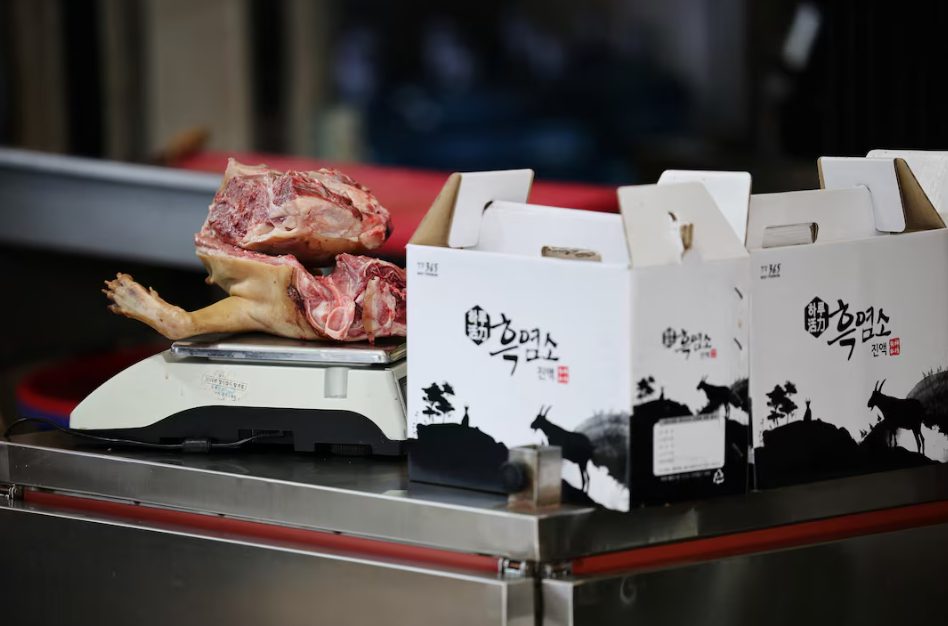
The summer of 2026 marks the final legal business season for South Korea's dog meat industry before the nationwide ban takes effect. For decades, the three hottest days of summer, known as boknal, were a peak period for dog meat consumption driven by the belief that the dish helps restore stamina.
At Moran Market in Seongnam City, one of South Korea's most renowned dog meat commercial hubs, trade has visibly declined. Many restaurants have shifted to serving black goat stew and other alternative dishes, while the majority of customers who still consume dog meat belong to older age groups.

The transformation at Moran reflects the ongoing contraction of a long-standing farming industry. According to South Korean government data, more than 5,600 production and business establishments are directly affected by the new legislation. The majority of dog meat farms have already closed ahead of the February 2027 deadline. Passed by the South Korean National Assembly in January 2024, the law bans the breeding, slaughtering, distributing, and selling of dogs for food. Facilities were granted a three-year transition period. After this timeframe, violators may face imprisonment or financial penalties.
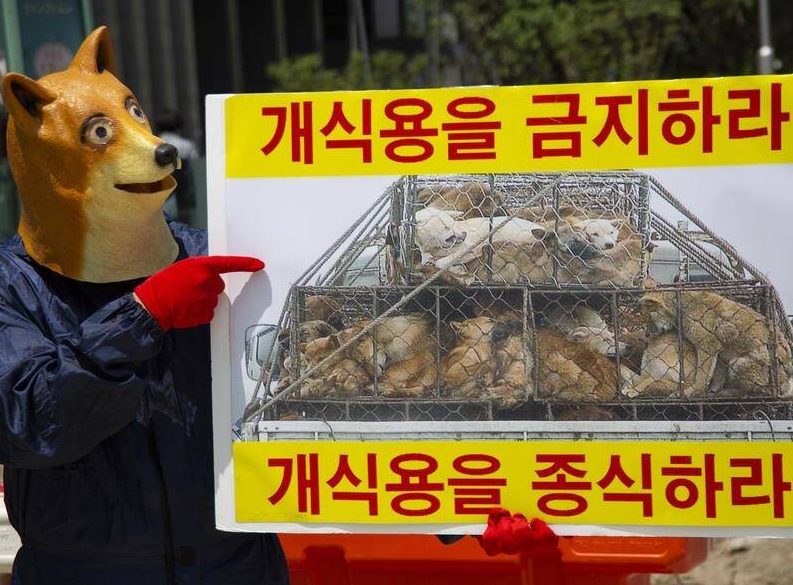
The government has pledged support for farmers, slaughterhouses, distributors, and restaurant owners transitioning to other occupations. However, the transition faces many challenges, as most business operators are elderly, have operated for decades, and lack the resources to build new business models. Shifting to farming, processing, and selling black goat meat has become a popular alternative. This meat is also promoted as a nourishing dish to restore health during the summer. Nonetheless, vendors report that revenue from goat meat has not yet fully compensated for the lost income from dog meat.

Market demand has also declined sharply as pet ownership grows and societal perspectives on animal welfare shift. In a survey of 2,000 respondents released before the law was passed, over 90% stated they had no intention of eating dog meat in the future, more than 80% supported the ban, and nearly 95% had not consumed dog meat in the preceding year.

Bringing an end to the dog meat industry not only reshapes consumption practices but also necessitates restructuring livestock operations, rehoming remaining animals, and providing livelihood support for thousands of businesses. The effectiveness of these transition policies will determine the stability of communities that once depended on this supply chain.
Source: VOAA
← Activity News