
The growth of beverage products made from soybeans, oats, and almonds is creating expanded markets for various crop farming sectors, while pushing the dairy farming industry to reduce emissions and improve production efficiency. However, in terms of nutrition and environmental impact, not all plant-based milks can be equated with cow's milk.
The plant-based beverage market and the dairy industry
Demand for plant-based beverages and raw material sourcing areas
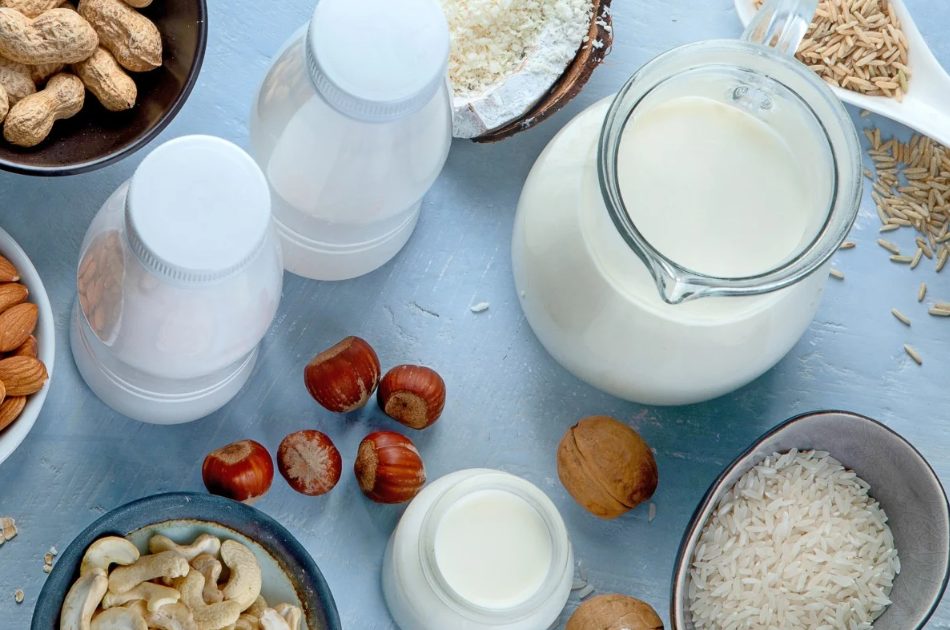
Demand for plant-based beverages is increasing in many markets, leading to the expansion of raw material sourcing areas for soybeans, oats, almonds, and various other nuts. However, the benefits of these products largely depend on the type of ingredient, farming practices, and processing methods. According to the South China Morning Post, natural cow's milk provides easily digestible protein, calcium, vitamins, and iodine. In contrast, many plant-based beverages only achieve significant levels of these micronutrients when fortified during processing. A study analyzing 399 products in Europe also showed that protein content and protein quality in cow's milk are higher than in plant-based alternatives, while around 50% of conventional plant beverages are fortified with calcium.
Notably, an organic label does not necessarily mean nutritional parity with cow's milk. Organic plant-based products are often less fortified with micronutrients. This indicates that developing organic raw material areas must go hand in hand with suitable processing technologies and nutritional standards, rather than relying solely on the organic label to gain a market advantage.
From an agricultural perspective, the major advantage of plant-based ingredients lies in their ability to reduce environmental pressure compared to dairy farming. A review of life-cycle assessment studies shows that cow's milk generally produces higher greenhouse gas emissions than many plant-based products. However, significant variations also exist among different crops.
Almonds can have high water requirements, whereas soybeans often hold an advantage in terms of land and water use. A 2026 study estimated emissions of around 0.99 to 1.08 kg of CO2 equivalent per liter of cow's milk, compared to approximately 0.51 to 0.52 kg for soy beverages and 0.38 kg for oat beverages in the studied systems.
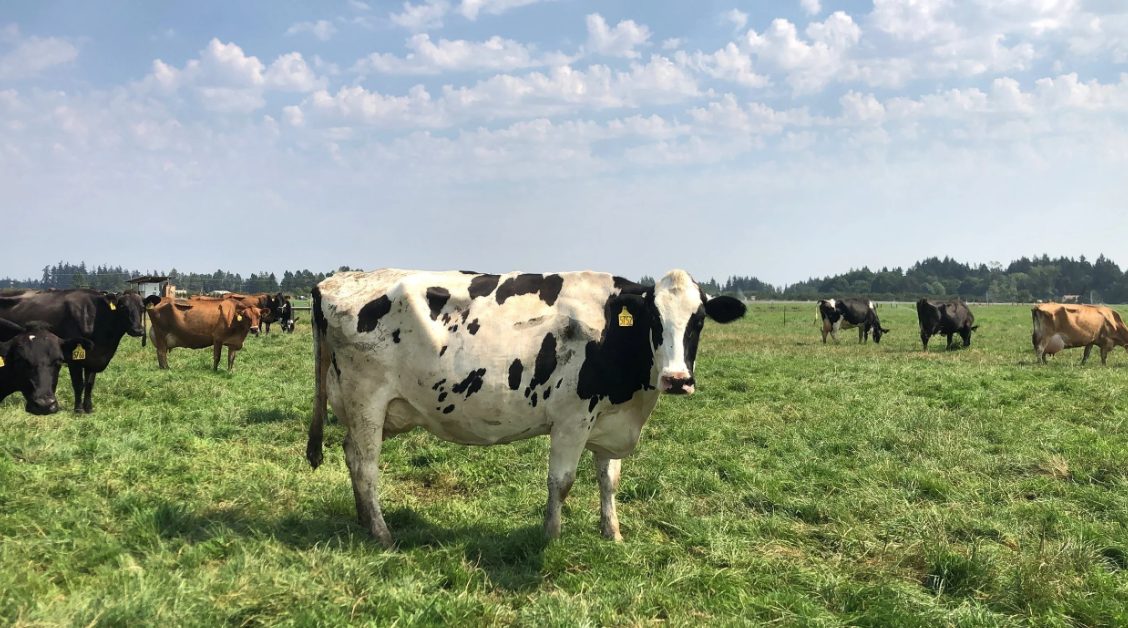
These findings open up opportunities for crop agriculture to develop raw material zones serving high-value-added food industries. However, overall sustainability depends on crop yields, water use, fertilizers, transportation, and processing. Therefore, partially replacing cow's milk with plant-based alternatives is not just a matter of consumer preference, but is also directly linked to future agricultural production structures and food value chains.
Source: VOAA
← Activity News