
With its easy-to-grow nature, low investment requirements, high nutritional value, and alignment with green agriculture, crab claw herb holds great potential as an organic and sustainable product...
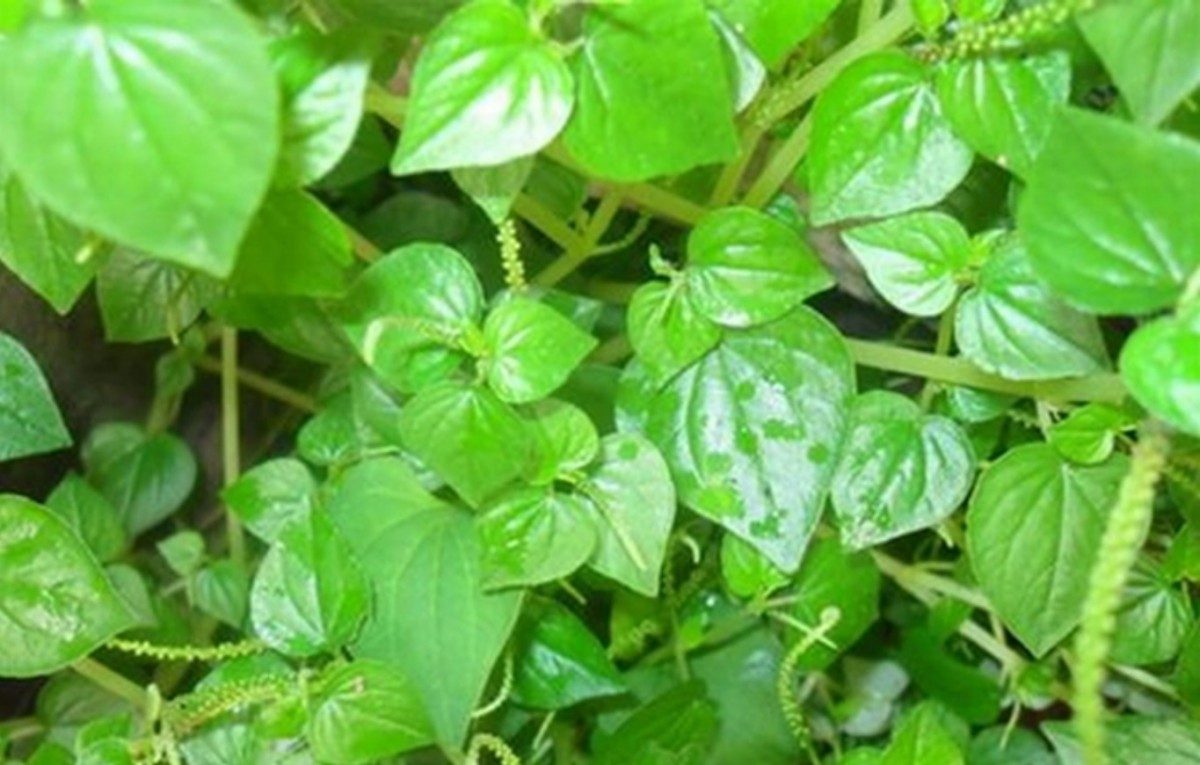
Once considered a wild weed sprouting in garden corners, along walls, or by field edges, crab claw herb is now making regular appearances in family meals and clean agricultural production models. Characterized by its ease of cultivation, low input needs, rich nutritional profile, and suitability for green agriculture, this rustic green demonstrates strong potential as an indigenous specialty well worth developing organically and sustainably.
From "poor man's green" to sought-after food
Botanical features and growing appreciation for indigenous greens
In recent years, as consumers increasingly scrutinize food origins and embrace healthier lifestyles, many native vegetables once viewed as commonplace are being reassessed for their nutritional density and agricultural sustainability. Crab claw herb is a prime example.
Crab claw herb (scientific name Peperomia pellucida) is a succulent herbaceous plant averaging 15–40 cm in height. It features small, heart-shaped, glossy green leaves and soft, juicy stems laden with moisture. The plant thrives naturally in high-humidity habitats with filtered light, such as along masonry walls, under tree canopies, or on loose, well-aerated soil.
Possessing vigorous vitality, it grows rapidly and suffers relatively little from pest and disease pressure. Under humid tropical climates like Vietnam's, it can flourish nearly year-round provided adequate moisture and suitable surroundings are maintained.
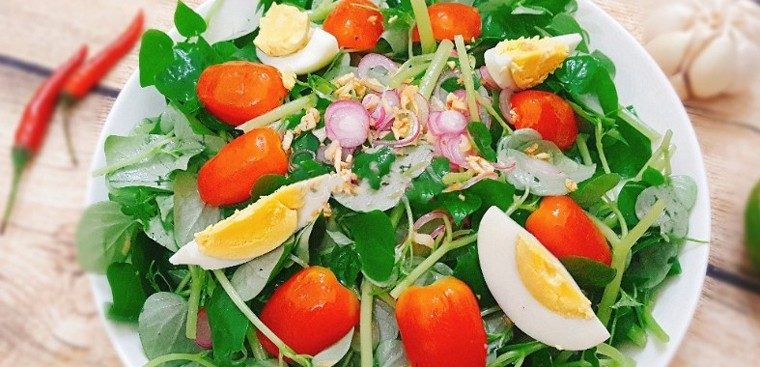
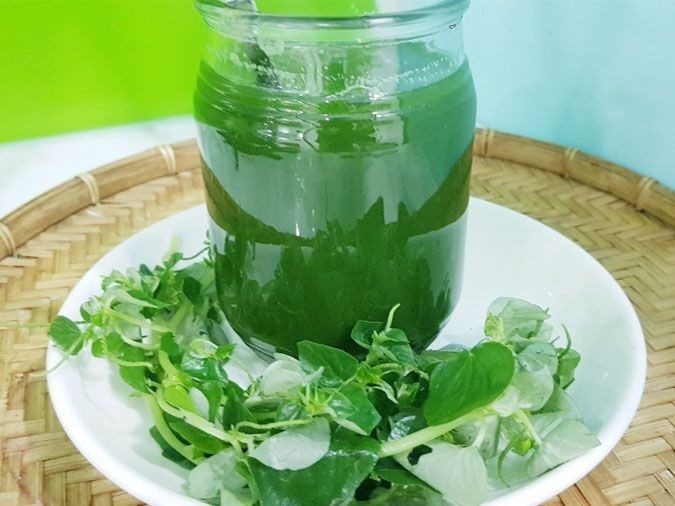
Historically harvested primarily from the wild for raw consumption or traditional mixed salads, crab claw herb has now made its way into organic and clean food retail chains, restaurants, and home gardening systems.
Well-suited for small-scale organic production
One of the primary qualities earning crab claw herb high praise is its compatibility with organic farming. Unlike many short-cycle crops that demand strict pest control regimens and intensive management, crab claw herb is relatively effortless to grow, requires minimal fertilizer, and relies little on plant protection chemicals.
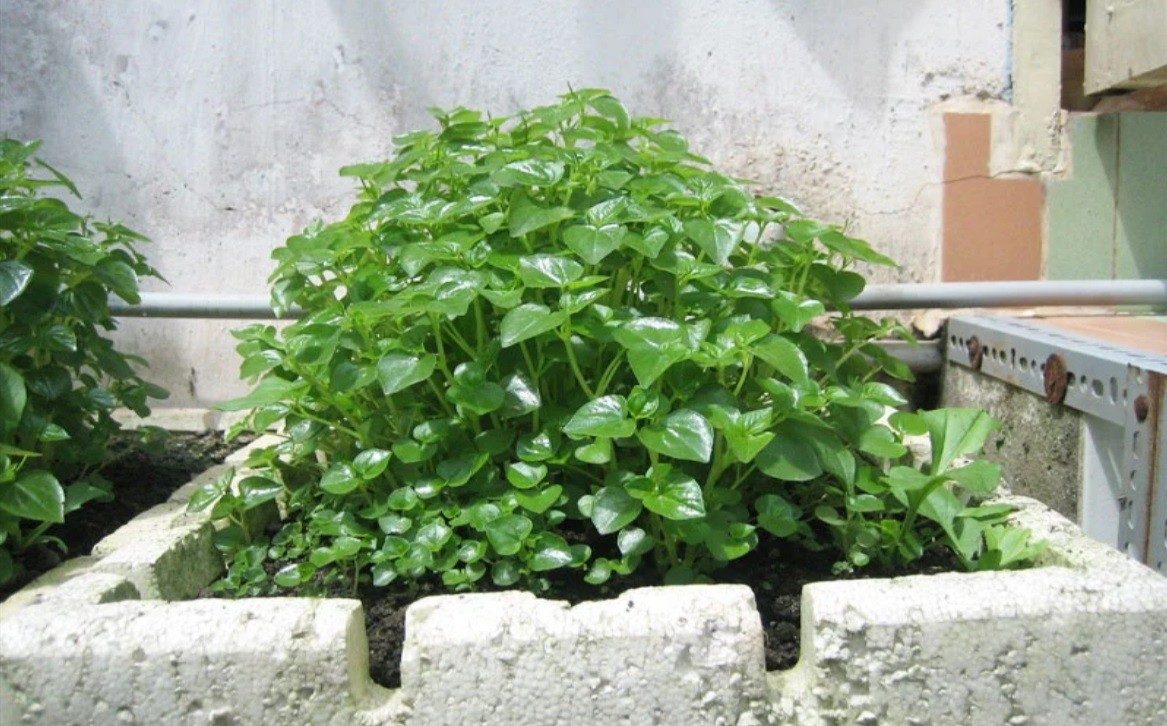
Growers can easily take advantage of Styrofoam boxes, planting trays, or small pockets of soil around the home. A suitable potting mix comprises organic soil blended with well-rotted compost, rice husk ash, and coco coir to maximize porosity and moisture retention.
Seeds are sown directly on the soil surface, lightly covered, and kept moist with gentle misting. Within approximately 25–35 days, the crop is ready for harvest. Crucially, because it flourishes in partial shade, it fits seamlessly into the urban gardening trend—transforming balconies, rooftops, or compact residential green spaces into productive plots.
What makes crab claw herb special?**<br>_Crab claw herb has a high water content, offering a crisp and cooling sensation. Rich in vitamin C, it helps support immune function. It supplies essential minerals including potassium, calcium, magnesium, and iron. Low in calories, it fits well into balanced diets. Ideal for fresh salads, raw dishes, or pairing with protein-rich foods. Nutritional density elevates the standing of this indigenous vegetable...
According to nutritional literature, crab claw herb provides substantial hydration alongside essential micronutrients. It represents a low-calorie food that nonetheless delivers meaningful mineral content.
In folk medicine, crab claw herb is traditionally valued for its cooling properties, serving to dispel heat and provide refreshing relief on sweltering days.
Experts note, however, that crab claw herb is not a substitute for medical treatment. Its true value lies in enriching balanced, diverse daily diets and supporting habits centered on fresh, minimally processed produce.
New perspectives on the value of rustic produce
Discussing current green agriculture trends, many specialists emphasize that leveraging easy-to-grow native plants helps lower external input pressures and enhances overall farming sustainability.
According to organic farming professionals, indigenous vegetables adapted to local environments rarely generate a need for chemical interventions, thereby trimming production costs and curbing environmental impacts.
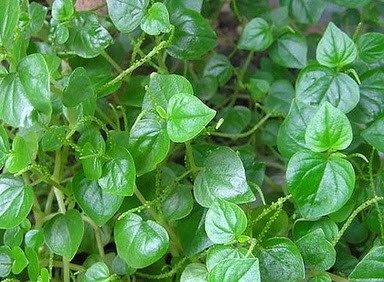
For crab claw herb, key advantages include a short growing cycle, minimal pest vulnerability, and suitability for household-scale production—an approach widely encouraged across communities striving to build eco-friendly lifestyles and responsible consumption habits.
Experts also highlight that alongside the expansion of clean food markets, greater focus must be placed on standardizing cultivation protocols, ensuring food safety, and developing brand recognition for native vegetables.
Amid modern life and evolving dietary preferences, greens once tied to rural nostalgia now have the opportunity to reemerge in a new light—not merely as sustenance, but as symbols of an eco-conscious lifestyle. Crab claw herb may not yield instant commercial fortunes, but it represents a thought-provoking paradigm: cultivating what is harmoniously attuned to nature, cutting dependence on synthetic inputs, and deriving sustainable value from native heritage.
On the pathway toward organic agriculture and conscientious consumption, appreciating humble crops like crab claw herb is more than just celebrating a refreshing dish; it embodies a transformative shift in production philosophy—from exploitation to stewardship, from quantity to quality, and from short-term gains to enduring growth./.
Source: VOAA
← Activity News