
Stinging nettle is a familiar plant in many regions around the world, especially in temperate zones. While its exterior might seem "unwelcoming" due to tiny stinging hairs that cause itchiness upon contact, nettle is renowned for its numerous valuable benefits to human health as well as daily life. Stinging nettle has long been utilized in traditional medicine and is now widely studied in modern pharmacology.
Characteristics and Applications of Stinging Nettle
Botanical Characteristics and Nutritional Profile of Stinging Nettle
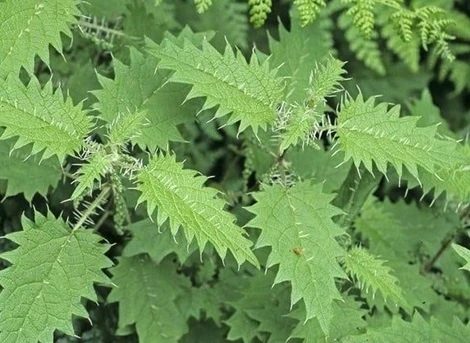
First and foremost, one of the most prominent benefits of stinging nettle is its remarkable nutritional value. Nettle leaves are rich in essential vitamins and minerals such as vitamin A, vitamin C, vitamin K, along with minerals like iron, calcium, magnesium, and potassium. Thanks to this high nutrient content, nettle is regarded as a natural "superfood." In several countries, nettle leaves are even eaten as a leafy green vegetable in soups or brewed into tea, helping replenish nutrients and boost overall health.
Beyond its nutritional value, stinging nettle also supports the treatment of various health conditions. Chief among them is its potent anti-inflammatory property. Compounds found in nettle can effectively reduce inflammation, especially in conditions such as arthritis. Numerous studies have indicated that nettle extract can help relieve pain and improve joint mobility in individuals with rheumatoid arthritis. This provides a natural, safer alternative to the over-reliance on chemical analgesics.
In addition, nettle is well known for supporting the management of urinary tract and prostate disorders. In men, nettle root extract is commonly used to support the treatment of benign prostatic hyperplasia (BPH). It helps alleviate symptoms such as difficulty urinating, frequent nighttime urination, and the sensation of incomplete bladder emptying. This substantially improves quality of life, particularly for older adults.
Furthermore, stinging nettle exerts a positive impact on the circulatory system. Thanks to its abundant iron content, nettle aids hematopoiesis (blood cell production), making it highly beneficial for individuals with anemia, particularly women. Concurrently, the bioactive compounds in nettle help regulate blood pressure and promote blood circulation. Using nettle appropriately can contribute to cardiovascular protection and reduce the risk of heart-related diseases.
Another undeniable benefit of stinging nettle is its application in beauty and personal care. Abundant in antioxidants, nettle helps slow down the aging process and shields the skin from free radical damage. Moreover, nettle extracts and rinses are widely used in hair care to combat dandruff, stimulate hair growth, and strengthen hair strands. This is a popular natural, safe, and cost-effective remedy.
In digestive health, nettle also delivers substantial benefits. It can help improve digestive function and alleviate symptoms such as bloating and indigestion. Nettle tea is frequently consumed as a detoxifying brew, supporting the liver and kidneys in filtering and expelling metabolic toxins. Consequently, the body feels revitalized and healthier.
Beyond human health applications, stinging nettle is also valuable in agriculture and everyday living. It can be utilized as a potent organic fertilizer, improving soil quality and supplying essential nutrients to crops. Fermented nettle water (nettle tea purin) is also utilized as a natural plant protection extract and bio-pesticide, protecting crops without harming the ecosystem. This contributes to advancing sustainable and nature-friendly farming practices.
However, when using stinging nettle, several key precautions should be kept in mind. Fresh nettle leaves can cause skin irritation due to the fine stinging hairs containing irritant chemicals. Therefore, gloves must be worn during harvesting and handling to prevent stinging. Additionally, nettle should not be used arbitrarily or in excessive dosages, especially by pregnant women or people currently taking prescription medications, to avoid potential drug interactions.
Though stinging nettle might present an "uninviting" appearance, it is truly a precious gift from nature. Providing diverse benefits from nutritional supplementation and therapeutic support to natural beauty care and eco-friendly farming, nettle deserves wider research and application in everyday life. Understanding and utilizing this plant properly will help us maximize its advantages, contributing to improved health and quality of life./.
Source: VOAA
← Activity News