
From a traditional dish once divisive for its distinctive smell and taste, natto is emerging as a high-value agricultural export for Japan in international markets. Growing demand for fermented foods and healthy consumption trends are opening up new opportunities for the country's soybean processing industry.
Japanese Natto Market and Production
Export Trends for Japanese Natto
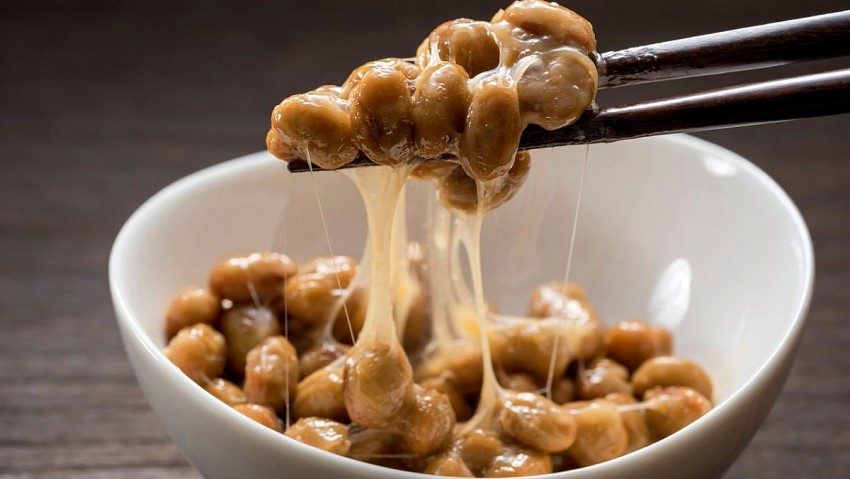
Natto, Japan's renowned fermented soybean dish, is seeing strong export growth, reflecting a global consumer shift toward health-promoting foods. According to Japanese trade statistics, natto exports reached 5,248 tonnes in 2025—a three-fold increase compared to 1,752 tonnes in 2017. China and the United States currently represent the two largest markets. This surge in demand is seen as a positive sign for Japan's soybean production and agri-food processing industries. Beyond its status as a staple food, natto is widely promoted for being rich in protein, dietary fiber, and beneficial gut bacteria. The post-COVID-19 trend toward wellness-enhancing foods has helped boost purchasing power across multiple international markets.
To meet rising demand, numerous Japanese companies have invested in expanding production. In processing facilities, soybeans are cleaned, steamed, inoculated with fermenting bacteria, and incubated for approximately 18 hours before packaging. This process yields natto's signature stringy texture and unique flavor profile. The rise of natto has also added significant value to the soybean supply chain. Rather than being consumed solely as raw commodities, soybeans are transformed into higher value-added goods that compete effectively on the global stage. Some premium natto varieties now retail for roughly three times the price of conventional products, making inroads into markets such as Singapore, China, Norway, and beyond.
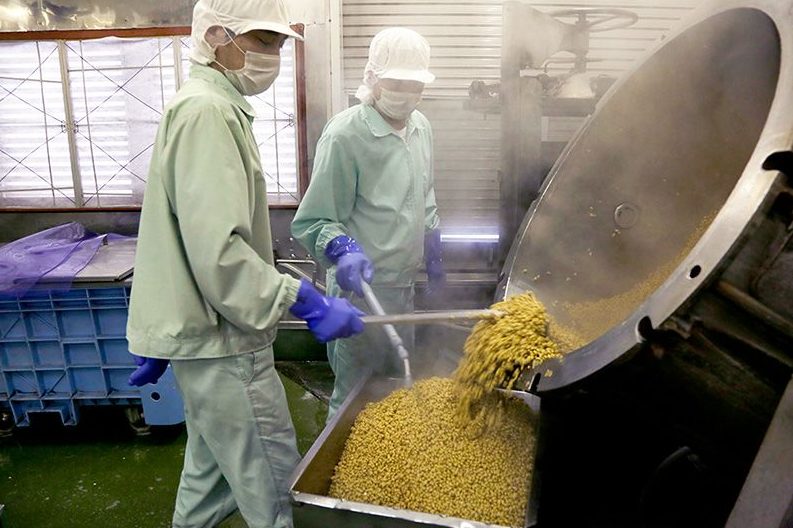
Nevertheless, the natto industry still faces several challenges. Production costs have risen due to escalating packaging and raw material expenses. In addition, its pungent aroma and sticky, slimy texture remain barriers for many foreign consumers. Even so, social media and the global enthusiasm for exploring Asian cuisine are helping this traditional food reach an increasingly broad and diverse audience.
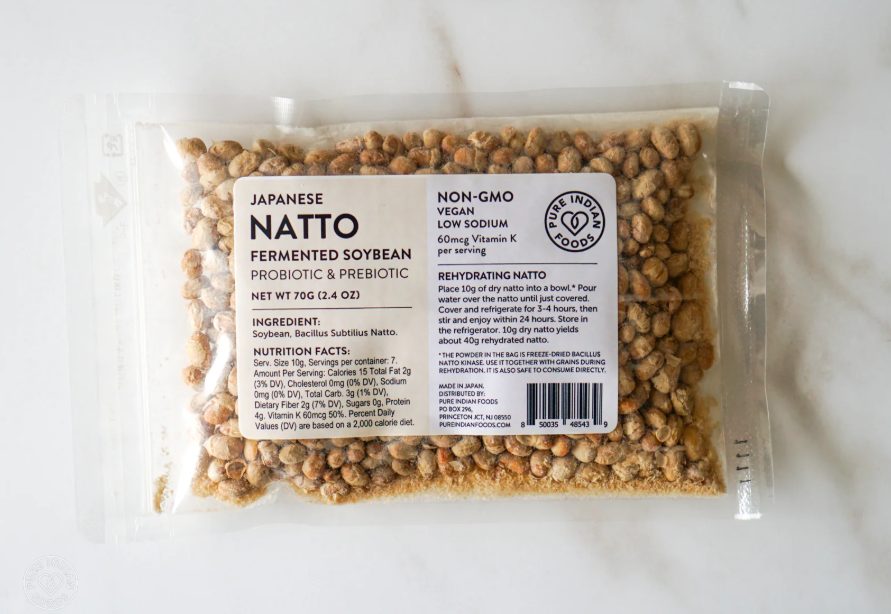
Experts note that natto's success highlights the vast potential of value-added agricultural processing. As global demand for healthy, functional foods continues to climb, products developed from soybeans and nutrient-rich crops could serve as a powerful new catalyst for Japan's agricultural growth in the years ahead.
Source: VOAA
← Activity News