
Once considered an acquired taste due to its pungent aroma and distinctive sticky texture, natto is becoming a high-value Japanese agricultural product on the international market. Rising demand for fermented foods and health-conscious consumer trends have helped natto exports triple in just eight years, opening new opportunities for the country's soybean processing industry.
Natto in the Fermented Food Market
Characteristics of Fermented Natto Soybeans

Natto, made from soybeans fermented with the bacterium Bacillus subtilis, has long been a staple of the traditional Japanese breakfast. However, its distinctive aroma and sticky, viscous texture previously made it challenging to gain acceptance in many countries. In recent years, the growing trend of consuming fermented foods to support gut health has driven a significant shift in the global market for natto.
According to Japanese trade statistics, natto export volumes rose from 1,752 tonnes in 2017 to 5,248 tonnes in 2025, representing an increase of nearly 200%. China and the United States are currently the two largest import markets, alongside growing orders from Singapore, Norway, and several other Asian economies. This growth is providing fresh momentum for Japan's soybean cultivation and processing sector. Many companies are investing in developing premium natto product lines with milder aromas and more palatable flavors to broaden their international customer base. Several production facilities have also stepped up investments in fermentation technology, quality control, and compliance with increasingly stringent export standards.

Nonetheless, the natto industry faces its share of challenges. Rising production costs driven by escalating prices for raw materials, packaging, and energy have forced many businesses to adjust their retail prices. According to manufacturers, reliance on petrochemical-based packaging materials leaves costs vulnerable to fluctuations in the global energy market.
Rather than competing on low prices, natto is steadily shifting toward the value-added food segment. This is regarded as a fitting direction as global consumers become increasingly mindful of naturally sourced, nutrient-dense products that deliver tangible health benefits.
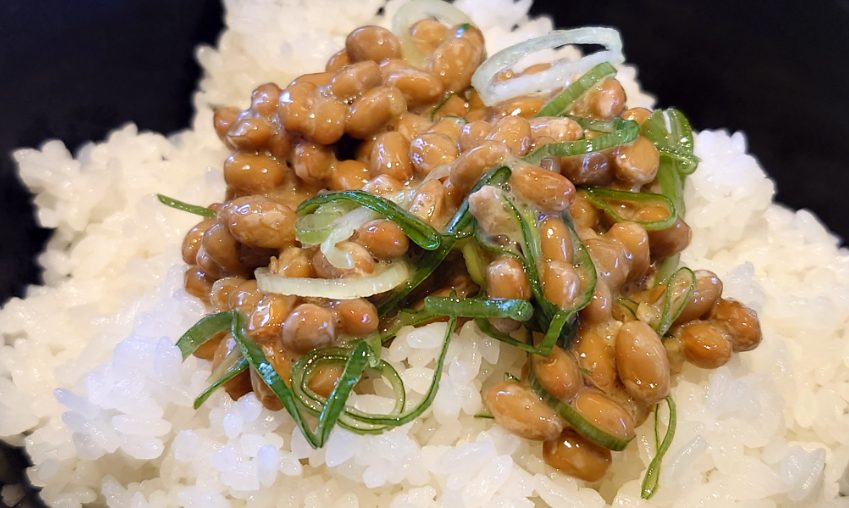
For Japanese agriculture, the success of natto demonstrates the value of uniting traditional agricultural produce with processing technology and strategic branding. Beyond elevating the value of soybeans, the product helps expand export markets for processed foods and creates additional momentum for developing the agricultural value chain amid growing global demand for functional foods.
Source: VOAA
← Activity News