
A new study in Brazil has sounded the alarm on an overlooked hazard: the accumulation of antibiotics in aquatic environments and their potential entry into the food chain. Beyond simply detecting these substances in river water, scientists also discovered them inside fish—a common staple of the human diet. Even more concerning, several substances banned in livestock farming were still present, demonstrating that such contamination is not only ongoing but persistent over time.
Antibiotics in Aquatic Environments and the Food Chain
Research on Antibiotic Residues in Fish in Brazil
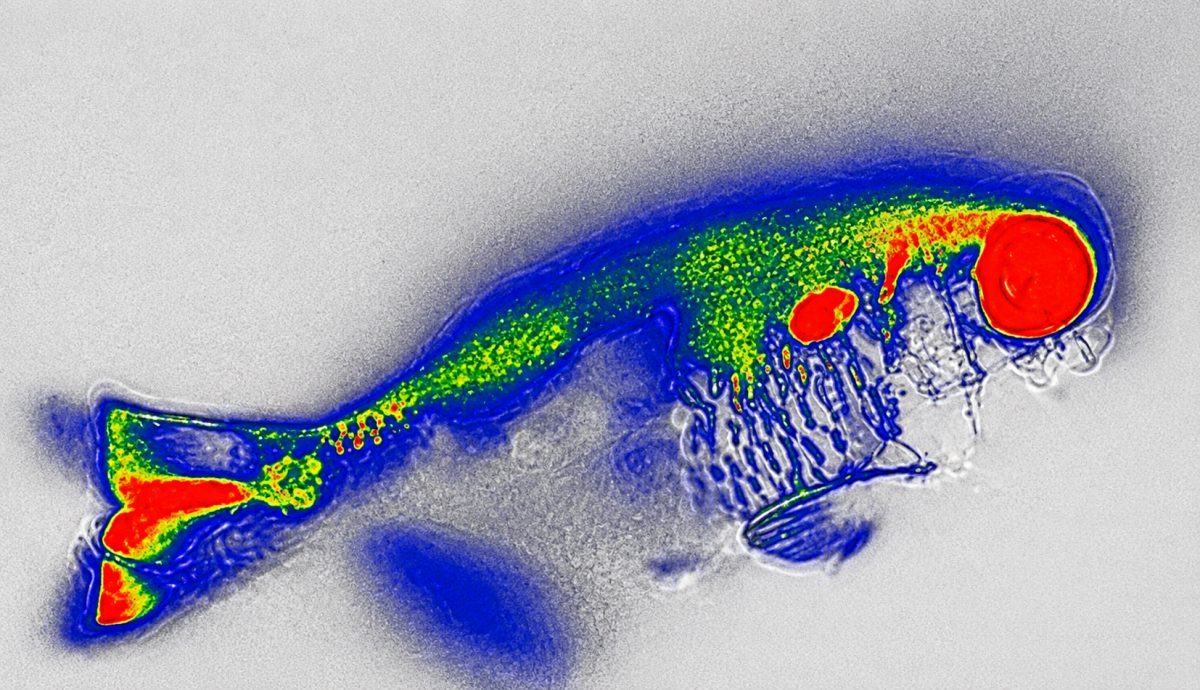
A new study in Brazil has sounded the alarm on an overlooked hazard: the accumulation of antibiotics in aquatic environments and their potential entry into the food chain. Beyond simply detecting these substances in river water, scientists also discovered them inside fish—a common staple of the human diet. Even more concerning, several substances banned in livestock farming were still present, demonstrating that such contamination is not only ongoing but persistent over time.
First, the study reveals that antibiotics are widely present in the Piracicaba River, a major river in the state of São Paulo. These are not minor, isolated traces, but rather the presence of multiple antibiotic classes originating from human activities such as healthcare and livestock farming. During the dry season, as water levels drop, these pollutants become more concentrated, increasing exposure levels for aquatic organisms. Notably, these substances are not merely "floating" in the water; they accumulate within fish tissues, demonstrating that significant bioaccumulation is occurring. This means humans may unwittingly ingest antibiotics indirectly through food.
To explore solutions, scientists tested the use of a common aquatic plant, Salvinia auriculata, for water purification. Initial results were quite positive: this plant species was able to remove the majority of certain antibiotics, particularly enrofloxacin, in just a few days. The primary mechanism lies in its root system, where pollutants are absorbed and retained. However, with more "stubborn" compounds like chloramphenicol, removal efficiency was significantly lower, and environmental persistence lasted longer. This indicates that not all antibiotics can be remediated effectively using the same method.
However, the complexity of the issue lies in the fact that reducing antibiotic concentrations in water does not necessarily mean reducing risks for living organisms. Experiments revealed that each antibiotic behaves very differently once inside a fish’s body. Enrofloxacin is relatively "easier to process," bioaccumulating less and being excreted more quickly. In contrast, chloramphenicol tends to persist in the body, accumulating in tissues and proving difficult to eliminate. Notably, in the presence of Salvinia auriculata, a paradox emerged: while the water became cleaner, the fish absorbed antibiotics more rapidly. The suspected cause is that the plant altered the chemical form of these substances, making them more "bioavailable" to the organisms.
Looking beyond bioaccumulation levels, the study also investigated the biological impacts of these compounds. Results showed that chloramphenicol can induce DNA damage in fish, as evidenced by blood cell abnormalities. This signals long-term risks to the health and reproductive capacity of aquatic life. On a positive note, however, the presence of Salvinia auriculata significantly reduced this damage. Scientists suggest this may be because the plant helps break down toxic intermediates or releases antioxidant compounds, thereby curbing biological stress in fish. Nevertheless, this protective effect does not apply to all antibiotics, particularly more persistent compounds like enrofloxacin.
These findings demonstrate that nature-based solutions—such as using aquatic plants—hold great promise, yet they are not a "panacea." A major challenge lies in managing the resulting biomass after the plants have absorbed the contaminants. If not harvested and processed properly, these very plants could become a secondary source re-releasing antibiotics into the environment. Therefore, implementing such solutions requires rigorous management protocols.
From a broader perspective, this study not only highlights an environmental problem but also raises significant questions about food safety and public health. The presence of antibiotics in fish shows that the boundary between the natural environment and our dinner tables is increasingly fragile. At the same time, it underscores that pollution control strategies must be evaluated holistically, as well-intentioned interventions can sometimes trigger unintended consequences.
Source: VOAA
← Activity News