
Heartbreak grass (lá ngón) is an extremely poisonous plant capable of causing rapid death. The public is urged to remain vigilant, never consume it, and act immediately upon noticing any signs of poisoning.
Identifying and Preventing Heartbreak Grass Poisoning
Toxicity and the Risks of Heartbreak Grass Poisoning
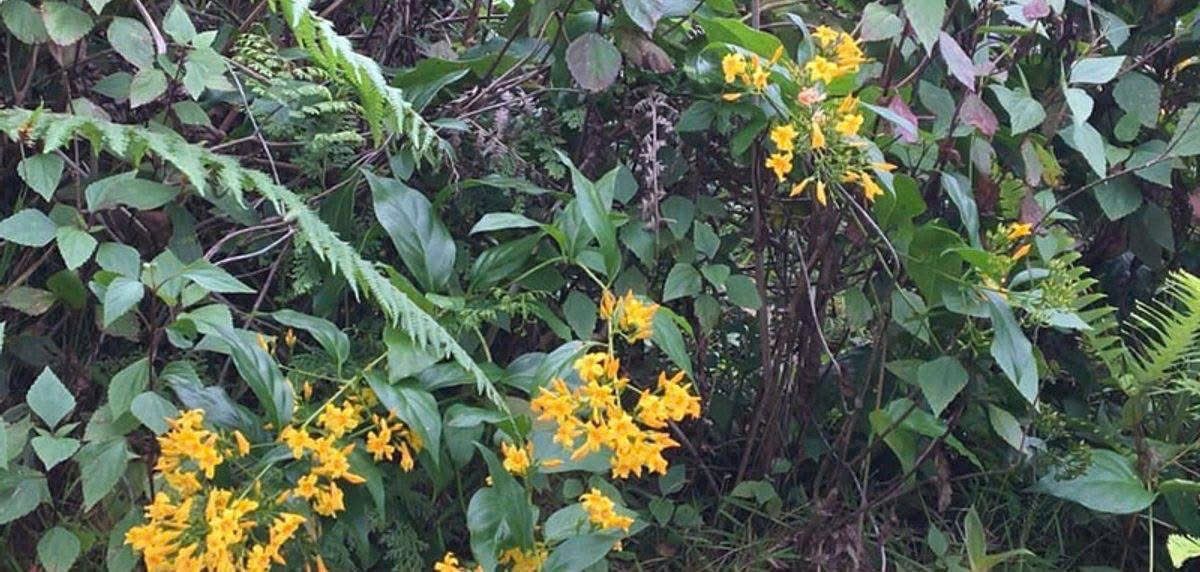
Heartbreak grass has long been recognized as one of the most acutely toxic plants, presenting an imminent risk of fatality whether ingested accidentally or intentionally. Nevertheless, reality shows that poisoning incidents still occur in several localities, leaving behind heartbreaking consequences for families and society.
Medical experts warn that even in minute quantities, the toxins in heartbreak grass can cause respiratory failure, severe cardiovascular disruption, and death within a very short time. Importantly, many poisoning cases do not stem purely from a lack of awareness, but from impulsive psychological crises such as family conflicts, life stress, or poor emotional regulation skills.
Even more concerning, a segment of the population, particularly adolescents, remains unaware of how lethal this plant truly is. A lack of understanding and coping skills when confronting negative emotions can lead to tragic, irreversible decisions.
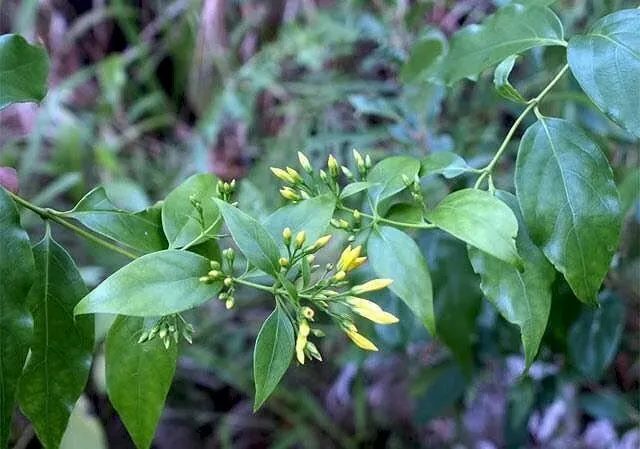
To prevent unfortunate incidents, people must strictly avoid tasting or consuming heartbreak grass under any circumstances. At the same time, everyone should stay alert against misinformation circulating on social media regarding the supposed uses or preparations of this plant.
If someone exhibits suspected signs of poisoning—such as vomiting, convulsions, breathing difficulties, or cyanosis—they must be rushed immediately to the nearest healthcare facility for emergency treatment. Prompt intervention is critical to saving the patient's life.
Furthermore, families play an essential role in prevention. It is vital to show care, maintain open communication, and monitor the emotional well-being of family members, especially youths, offering timely support whenever signs of distress arise.
Local authorities and community organizations should continue strengthening communication campaigns, life skills education, and community awareness. Additionally, reviewing and managing areas where heartbreak grass grows naturally is necessary to limit the risk of access.
Every individual needs to proactively heighten their preventive awareness and avoid complacency regarding these hidden hazards. Taking collective action will help protect the health and well-being of ourselves, our families, and our communities.
Source: VOAA
← Activity News