
Quang Tri Province holds immense potential for tourism development, boasting picturesque landscapes, historical relics, cave kingdoms, and beautiful beaches that attract both domestic and international visitors. Another promising element that state management agencies and local tourism stakeholders consistently strive to integrate is local culinary specialties and traceable clean food, aiming to develop and elevate Quang Tri's tourism brand…
Potential of Integrating Clean Food into Local Tourism
Culinary Tourism and Local Food Sources
Culinary tourism, a form of travel centered on cultural experiences through local cuisine, is becoming increasingly popular worldwide. It can be understood as a form of tourism that organizes and guides visitors to destinations to explore, savor, and experience food and beverages infused with the unique artistic and cultural heritage of a locality, region, or nation.
Quang Tri Province has many strengths for tourism growth alongside its scenic landscapes, historical relics, cave systems, and pristine beaches. At the same time, it possesses significant potential to integrate clean food value chains into local tourism, thereby attracting more domestic and foreign travelers…
Currently, Quang Tri has established several production models following organic principles, natural farming, VietGAP standards, and food safety protocols. Certified organic production is mainly concentrated in crop cultivation; the aquaculture and livestock sectors have not yet developed certified organic models.
In 2024, grounded in local agricultural realities, the Department of Agriculture and Environment advised the Provincial People's Committee to issue Official Letter No. 260/UBND-KT dated January 12, 2024, on strengthening guidance to expand organic rice cultivation across the province; and advised the Provincial People's Committee to submit Directive No. 38-CT/TU dated August 20, 2024, to the Standing Committee of the Provincial Party Committee on boosting organic agriculture, natural farming, circular agriculture, high-tech farming, and agricultural product value chain linkages.
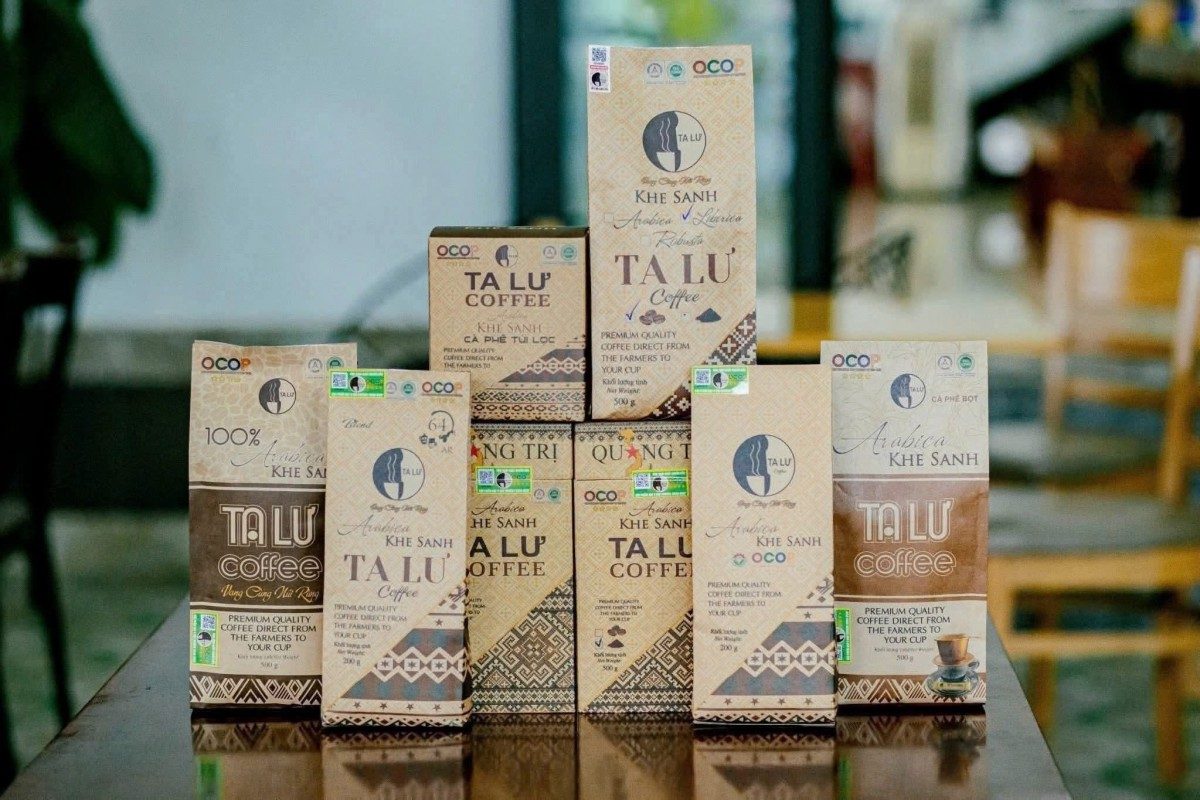
The province now counts 4 cooperative unions with 21 members and 700 agricultural cooperatives with over 114,000 members. Among them, 195 out of 700 agricultural cooperatives participate in integrated production and consumption linkages; 162 products from 96 cooperatives have attained 3-star or higher OCOP ratings.
Cooperatives producing clean food linked with ecotourism include: the Clean Medicinal Herbs and Agricultural Business Cooperative of Cu Nam Commune - Bo Trach Commune (producing Solanum procumbens extract, Gymnema sylvestre extract, and various herbal products); and the Len Chua Ecological Agriculture and Tourism Cooperative - Phong Nha Commune.
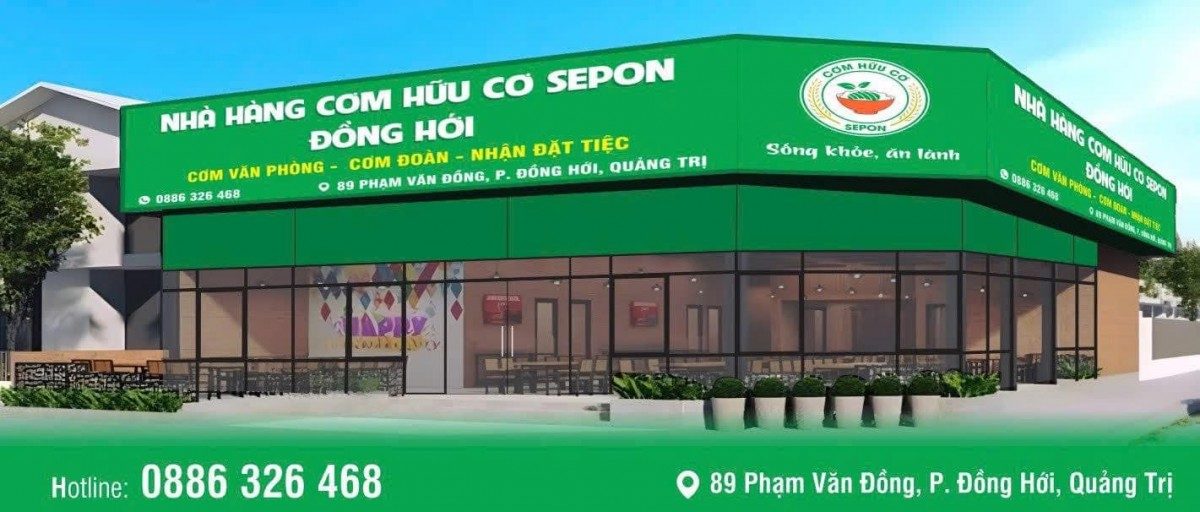
In addition, cooperatives producing organic rice and developing market linkages include: Trieu Phong Clean Agricultural Produce Cooperative, Gio Linh Clean Agricultural Produce Cooperative, Kim Long Cooperative, Xuan Hoa Cooperative, Duc Xa Cooperative, etc. Livestock cooperatives include: Tay Son Clean Agricultural Produce Cooperative (raising cattle, pigs, and poultry). Notably, Quang Tri Trading Joint Stock Corporation (Sepon Group), through its chain of Sepon restaurants across the province, attracts visitors from all over to savor organic rice and local delicacies.
Mr. Ho Xuan Hieu, Chairman of the Board of Directors of Quang Tri Trading Joint Stock Corporation, shared: "With the mission of bringing Sepon organic rice to diners and travelers from across Vietnam and abroad as swiftly as possible, Sepon Group has opened three Sepon rice restaurants in Dong Ha Ward, Dong Hoi Ward, and Hai Lang Commune. Through this initiative, Sepon TS25 organic rice is widely promoted to tourists visiting and traveling in Quang Tri…"
Challenges in Practical Implementation
Integrating clean food value chains into tourism to elevate the local brand has received strong interest from relevant authorities and departments in Quang Tri, encouraging many hospitality and tourism businesses to adopt practical solutions…
The economic value of this linkage lies in enhancing agricultural efficiency, minimizing losses by reducing intermediate stages before reaching the market, and securing stable market outlets that meet the preferences of consumers both inside and outside the province.
Products participating in the chain are closely monitored at every stage—from cultivation, animal husbandry, aquaculture, primary processing, and refinement to packaging and food safety inspection. Finished products entering the market carry clear labeling and origin traceability, offering consumers peace of mind and substantially increasing product value.
From a social perspective, participating in the supply chain elevates awareness, food safety knowledge, and shared responsibility among all stakeholders, establishing tight connections while equipping participating households with valuable experience in organized production and marketing.
Farmers gradually become proficient in planning and executing production tied to market demand, mitigating the risk of bumper-crop price collapses. This contributes to sustainable agricultural development, improves household incomes, and raises quality of life. Consumers, in turn, gain reliable access to safe products, minimizing foodborne risks and poisoning hazards.
Furthermore, products within the chain are marketed with dedicated branding and the "Safe Food Supply Chain Product" certification logo, enabling consumers to easily distinguish verified foods from conventional goods. Traceability QR codes and tags also allow customers to verify product origin, instilling confidence throughout usage.
Alongside these achievements, the partnership faces hurdles. During peak travel seasons, the surge of visitors causes demand to spike sharply, while clean food chains often struggle to supply large, consistent volumes on short notice, forcing restaurants to purchase outside supplies with difficult-to-control quality.
Furthermore, certified clean food carries higher production costs, putting pressure on restaurant margins, particularly during peak seasons with competitive pricing. Additionally, food hygiene risks are substantial because peak travel coincides with the hot, humid summer, raising the threat of bacterial contamination (Salmonella, E. coli), parasites, and spoilage if cold-chain and storage protocols are not strictly maintained.
Connecting, transporting, and storing clean food (cold storage, transit times) from farms to hotels and restaurants frequently encounters logistical bottlenecks, potentially compromising quality. Furthermore, many travelers visiting sightseeing spots still favor small independent eateries or street vendors that prioritize low prices and convenience over certified, traceable food origins…
A representative of the Sub-Department of Cooperative Economics and Quality Management under the Quang Tri Department of Agriculture and Environment stated that beyond the positive benefits of integrating clean food into tourism—enhancing the local tourism profile and introducing indigenous specialties to broader audiences—authorities will continue promoting awareness among all participants to uphold and elevate the regional tourism brand. Simultaneously, strict market oversight will be enforced alongside policy proposals to provincial leaders to tighten state management over these value chain operations.
Source: VOAA
← Activity News