
Rising fuel and fertilizer prices are driving up food production costs across Asia, forcing many families to shift from nutrient-rich foods to cheaper staple crops. Approximately 25% of children under age 5 in the region suffer from stunting, while millions more face hidden hunger—receiving adequate calories yet lacking essential micronutrients.
Production Costs and Food Accessibility
Food Price Pressures on Family Nutrition
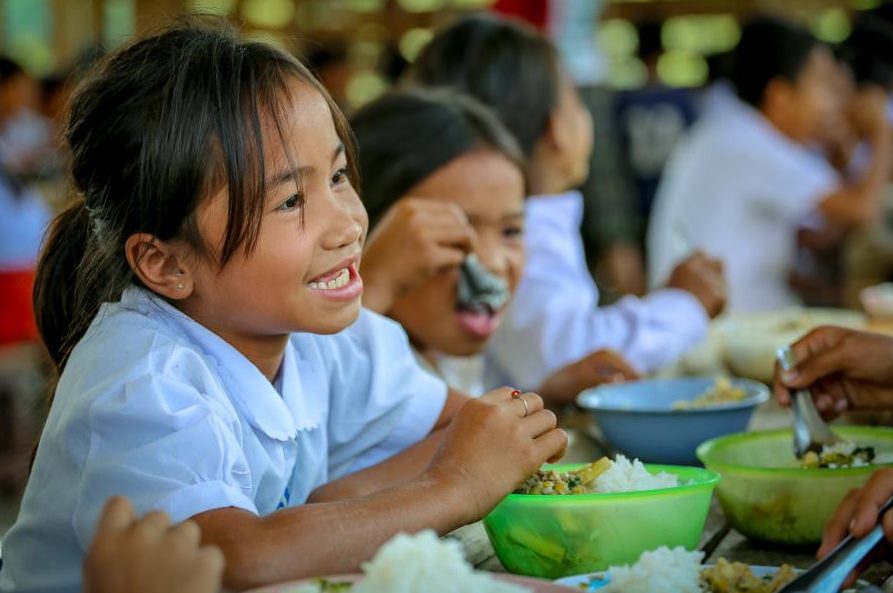
Rising fuel and fertilizer prices are placing increasing pressure on agricultural and food systems in Asia. As production costs climb, food prices follow suit, forcing low-income households to cut back on protein-rich foods, fresh fruits and vegetables, and essential micronutrient sources. This trend can leave children with sufficient caloric intake while the overall nutritional quality of their diet deteriorates. The consequences often do not appear immediately, but can persist for years—hindering physical development and cognitive abilities, diminishing labor productivity, and driving up future healthcare costs.
According to a report published in the South China Morning Post on August 8, approximately 25% of children under 5 in Asia suffer from stunting. In addition, millions of children experience hidden hunger: consuming enough energy but failing to obtain the vital nutrients needed for physical growth and brain development.
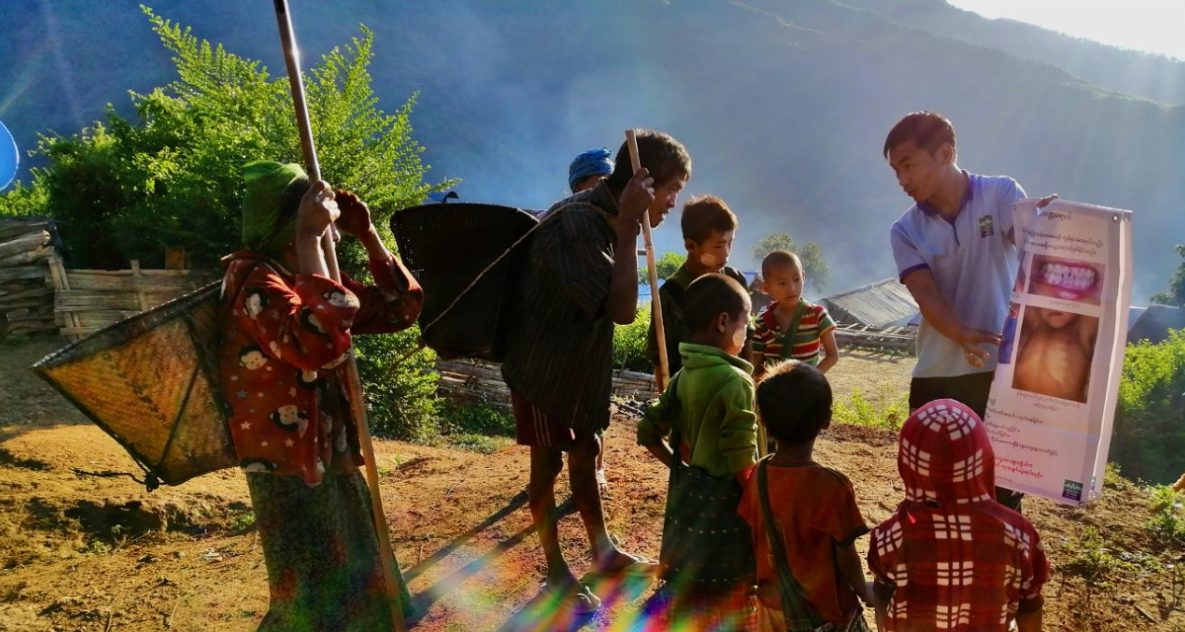
Nutrition is directly linked to agriculture. A food production system focused solely on yield and caloric output may fall short of ensuring balanced diets. Maintaining a stable supply of protein-rich foods, fresh fruits, vegetables, and micronutrient-dense products must be recognized as an integral part of food security policy. However, investment in child nutrition across Asia continues to face obstacles due to fragmented responsibilities among the health, education, and agriculture sectors. Meanwhile, the benefits of nutrition initiatives often take years to fully materialize, making short-term funding inadequate to meet long-term needs.
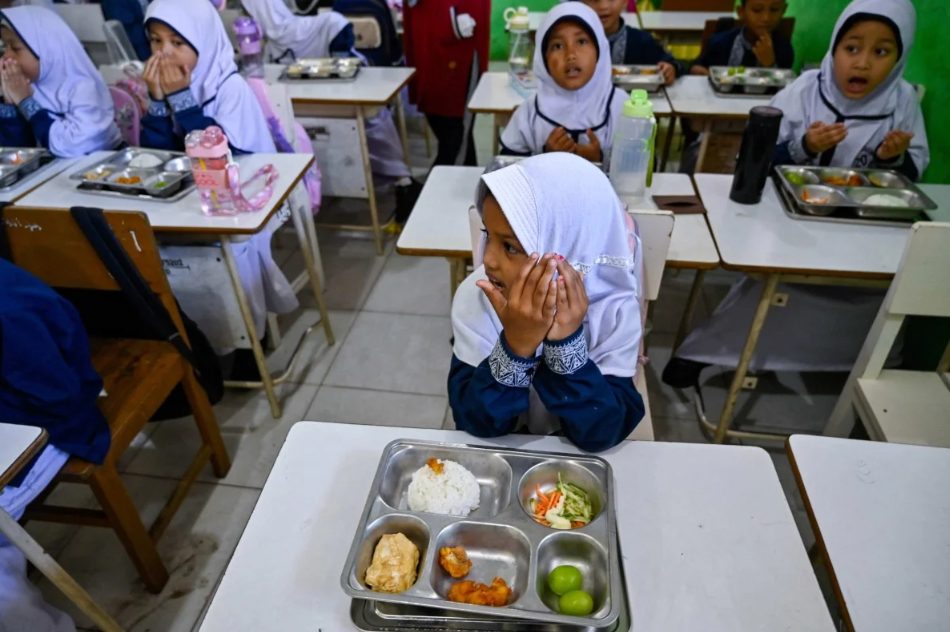
Funding from family foundations, civil society organizations, and businesses can bridge the gap between agriculture, public health, and local communities. In the Philippines, the Zuellig Family Foundation’s Pook Malusog program collaborates with local governments to improve governance and roll out nutrition programs. Indonesia is also developing community-based nutrition models, embedding early interventions into local systems.

Investing in child nutrition is therefore not merely a social welfare issue, but an investment in human capital quality and long-term economic productivity. To address the root causes, agricultural policy must be closely aligned with the goal of securing a diverse, nutritious, and affordable food supply for low-income households.
Source: VOAA
← Activity News